
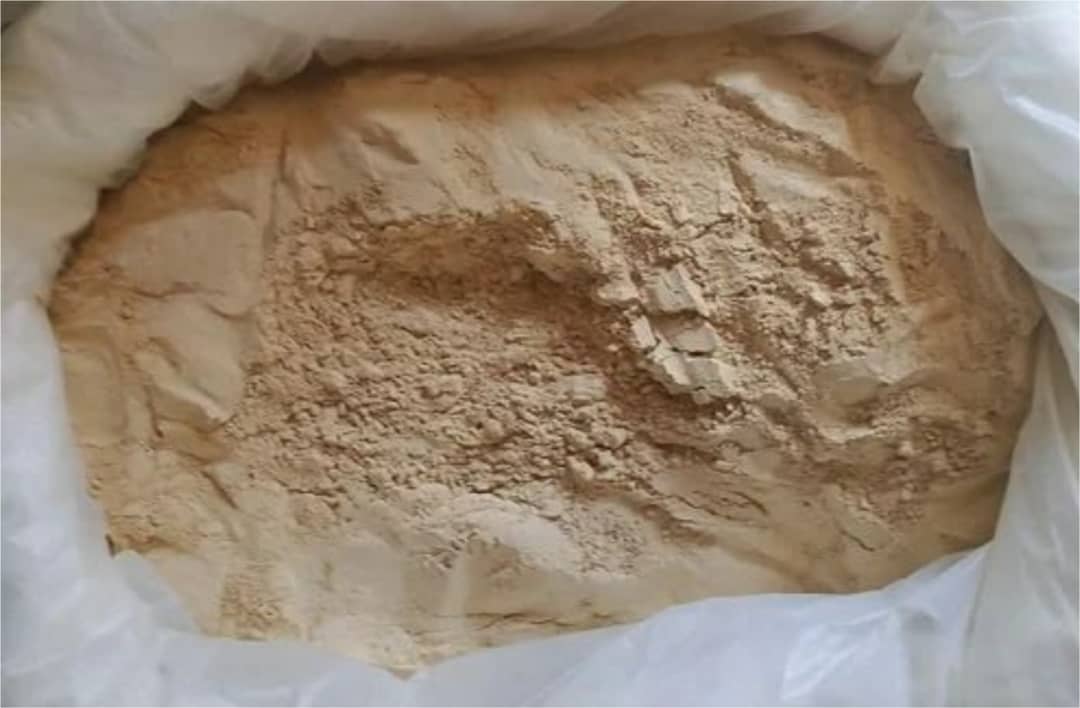
Did you know that a single nation once provided the vast majority of the world’s heroin supply? For decades, Afghanistan functioned as the primary global source for high-quality heroin, fueling a complex international trade. While recent government bans have drastically reduced poppy fields, the regional market is undergoing a seismic shift toward synthetic substances.
The Roots of Afghanistan’s Opium Dominance
Afghanistan holds a central position in the heroin trade due to its extensive poppy fields, which produce opium latex—the raw ingredient for morphine and heroin. By 2015, the country provided approximately 66% of the global opium supply, enabling the production of roughly 448 tons of heroin per year by 2016.
Afghan heroin earned a reputation for exceptional purity, often reaching 70-90% before street-level dilution. Ideal growing conditions in provinces like Helmand and Kandahar supported this dominance. Cultivation surged after the Taliban lost power in 2001, with land dedicated to poppies growing to 285 square miles, allowing Afghanistan to surpass Burma.
Conflict solidified this industry. The Soviet-Afghan War in the 1980s turned the region into a narcotics hub (the Golden Crescent), where U.S.-supported mujahideen financed weapons through opium sales along the Pakistani-Afghan border.
Comparative Analysis: Heroin Sources
To understand why Afghan heroin became the global standard, it is helpful to compare it with other major production hubs.
|
Feature
|
Afghanistan (Golden Crescent)
|
Southeast Asia (Golden Triangle)
|
Latin America (Mexico/Colombia)
|
|---|---|---|---|
| Primary Product | High-purity Heroin (White) | Heroin (White & Brown) | Heroin (Black Tar & Brown Powder) |
| Morphine Content | Very High (Ideal climate) | Moderate to High | Moderate |
| Key Markets | Europe, Russia, Asia | Asia, Australia, Oceania | United States, Canada |
| Historical Peak | 2000s–2010s | 1970s–1990s | 2010s–Present (Rising in US) |
Why Afghan Heroin Stands Out for Quality
The Papaver somniferum poppy flourishes in Afghanistan’s arid climate and fertile soil. UN reports confirm that Afghan opium provides consistently high morphine levels, making it perfect for conversion into diacetylmorphine (heroin). In 2004, Afghanistan supplied 87% of the global diamorphine market.
Traffickers utilize complex networks to move the product:
- Processing: Labs operate near the borders of Pakistan and Iran.
- Smuggling: Mules use vehicles, livestock, and body carriers to hide shipments.
- Corruption: Traffickers pay bribes or form alliances with armed groups for safe transit.
The product reaches Europe and other regions with little degradation, fetching wholesale prices of up to $100,000 per kilogram.
The Economics of the Trade: Pre-Ban vs. Post-Ban
The recent Taliban crackdown has reshaped the economic landscape of the region. The table below highlights the dramatic shifts in production and farmer livelihood.
|
Metric
|
Pre-Ban Peak (approx. 2021)
|
Post-Ban Status (2023-2024)
|
Impact
|
|---|---|---|---|
| Cultivation Area | ~233,000 Hectares | ~10,200 Hectares | 95% Reduction in farming land |
| Opium Production | ~6,000 Tons | ~333 Tons | Massive supply shock to global markets |
| Farmer Income | Stable/Lucrative | Cut by over 50% | Severe economic hardship for rural families |
| Alternative Crops | Minimal | Wheat, Saffron (Struggling) | Lower profit margins leading to resentment |
| Synthetic Seizures | Baseline levels | 50% Increase (Meth/Tablet K) | Traffickers shifting to non-plant-based drugs |
War, Insurgents, and the Narcotics-Fueled Economy
Conflict sustained high production levels for years. After 2001, weak government control allowed unchecked expansion. While the Taliban banned cultivation in 2000 (likely to hoard stockpiles and raise prices), they later controlled the trade to fund insurgency.
- Funding Sources: According to U.S. General Nicholson, groups like the Quetta Shura Taliban receive up to 60% of their funding from opiates.
- The Cycle of Instability: The Haqqani network protects traffickers in exchange for weapons; Tehrik-e-Taliban Pakistan trades heroin for arms. This creates a self-sustaining cycle where drug profits buy weapons, ensuring continued instability.
The Human Toll: Addiction and Death
High-quality Afghan heroin carries a heavy price. Its strength leads to sharp increases in addiction rates. Globally, Afghan opium contributes to roughly 100,000 deaths annually due to overdoses, HIV transmission, and violence.
Within Afghanistan, usage patterns are alarming:
- Opium is present in 19% of communities.
- Cannabis use appears in 46% of reports.
- Injection Risks: The UN reports that 8% of the population injects drugs. Over 75% of these individuals share needles, spreading HIV and hepatitis. Economic hardship leaves 3.3 million people dependent on opium farming for survival, complicating eradication efforts.
Recent Shifts: The Taliban Ban and Its Ripples
In 2022, the Taliban implemented a nationwide opium ban. This action reduced cultivation by 95% by 2023. Taliban patrols now actively destroy fields, issue fines, and imprison growers—tactics that mimic their 2000 efforts but with more enforcement.
While the UNODC provides aid to help farmers switch to legal crops, the return of four million refugees creates immense resource pressure. As opium supply drops, trafficking methods adapt, and seizures of methamphetamine increased by 50% between 2023 and 2024.
Rise of Synthetics: The New Threat
As opium availability wanes, synthetic drugs are filling the void. Crime groups favor methamphetamine and “Tablet K” because they require no fields, avoid traditional detection methods, and are weather-independent.
Comparison: Opium vs. Synthetic Drugs
The transition from plant-based to chemical-based drugs presents new challenges for law enforcement and health services.
|
Factor
|
Opium/Heroin (Plant-Based)
|
Synthetics (Meth/Tablet K)
|
|---|---|---|
| Production Space | Requires vast fields (Visible) | Requires small labs (Hidden/Easy to move) |
| Dependency on Weather | High (Droughts affect yield) | None (Chemical precursors needed) |
| Detection Difficulty | Moderate (Crop surveillance) | High (Labs hidden in urban areas) |
| Supply Chain | Long (Farm -> Lab -> Smuggler) | Shorter (Lab -> Distributor) |
| Addiction Profile | Physical dependence severe | Neuro-psychological dependence severe |
Global Routes and Impacts
Despite the ban, Afghan heroin remains potent in global markets due to stockpiles. The product moves from labs into Pakistan and Iran, traveling to Europe via the Balkan or northern routes. Traffickers often hide the product in fuel tanks or food shipments. The trade continues to fund extremist groups purchasing weapons for local conflicts.
Challenges Ahead: Enforcement, Economy, and Adaptation
Taliban bans provide short-term success, but long-term results depend on economic alternatives. Poverty drives farmers to resume illegal activities, especially when refugees require jobs. International cooperation must expand to address synthetic drugs and lower global demand. Past attempts at eradication failed; modern efforts require rural development and institutional stability.
Looking Forward: A Diminishing Giant?
Heroin from Afghanistan defined a specific period in history. It supplied the world with a potent product grown in war-torn regions. While bans reduce opium supply, synthetic drugs are emerging to take its place. Afghanistan demonstrates the endurance of the narcotics trade during times of poverty and war. Stakeholders must combine eradication efforts with economic support and addiction prevention to reduce the influence of the Golden Crescent.
Extended FAQ
Why did Afghan heroin become so popular globally? The poppies in Afghanistan benefit from ideal climate and soil conditions, which produce high levels of morphine. This allowed for the manufacturing of heroin with exceptional purity (often double that of competitors), making it the preferred choice for traffickers and users seeking a potent high.
How does the 2022 Taliban ban compare to the 2000 ban? While both bans drastically reduced cultivation, the 2022 ban is enforced with stricter patrols and immediate destruction of fields. However, the 2000 ban was followed by a surge in production after the 2001 invasion. The key difference today is the simultaneous rise of synthetic drugs, which may replace the economic void left by opium.
How does the heroin trade affect the Afghan economy? Millions of people rely on the opium trade for their livelihood because of a lack of other job opportunities. It acts as a safety net in a volatile economy. Insurgent groups also use drug profits to fund their operations and purchase weapons, creating a parallel economy that undermines the central government.
Are synthetic drugs really replacing opium in Afghanistan? Yes, rapidly. Groups now manufacture synthetic substances like methamphetamine because these drugs require no farming, avoiding the risks associated with visible poppy fields. Seizures of meth have increased by 50%, indicating a strategic pivot by traffickers.
What impact does the Taliban ban have on farmers? The ban destroyed the primary source of income for many farmers, leading to significant financial hardship. With income cut in half, many are forced to rely on international aid to transition to legal crops like wheat and saffron, which yield far less profit than poppies.
Why is “Golden Crescent” heroin considered higher quality than “Golden Triangle” heroin? Afghan heroin is typically processed into “white heroin” (high purity) using more refined methods than the “brown heroin” often associated with Southeast Asia. The specific strain of poppy grown in Afghanistan yields higher morphine content, making it more efficient for producing potent diacetylmorphine.
What are the primary smuggling routes for Afghan heroin? The two main routes are the Balkan Route (through Iran and Turkey into Europe) and the Northern Route (through Central Asia and Russia). Traffickers are increasingly creative, hiding drugs in commercial goods like fuel tankers and spice shipments.
Miranda Rechie –
The product quality is way better than I thought. Fast and durable packaging. A kilo of the H worth my money.
Maxwell Hitergo –
Super fast shipping. Arrived two days earlier than expected and in perfect condition.