

Understanding Lidocaine Powder: A Local Anesthetic in Medical Practice
Did you know that doctors can now numb your skin for a blood draw without ever using a needle to deliver the anesthetic? Lidocaine powder serves as a powerful tool in modern medicine to stop pain before it even starts. This substance belongs to a group of medicines known as amide-type local anesthetics. It works by stopping the movement of sodium through nerve cell walls. Because nerves need sodium to send signals, this block prevents your brain from receiving pain messages from a specific part of your body.
How Lidocaine Powder Works and Its Various Forms
Lidocaine stabilizes the walls of your nerve cells. It shuts down the channels that let sodium pass through, which kills the nerve’s ability to create an electrical impulse. When you use the powder form, such as in the product ZINGO, a device puffs the powder directly into the top layers of your skin. You do not need a needle for this process. The skin becomes numb within one to three minutes, and the effect stays for about ten minutes.
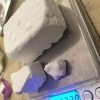
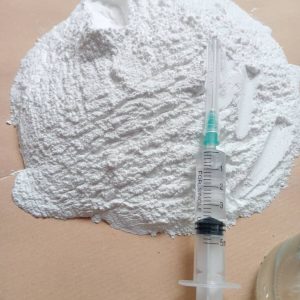
Chemically, this substance is a white powder that dissolves easily in water. While many people recognize lidocaine as a cream or a liquid for injections, the powder form offers unique benefits:
- It works on the surface of healthy, unbroken skin.
- It helps children and adults who fear needles during IV starts.
- It provides a fast-acting solution for very short medical tasks.
Medical studies show that the powder works very well for blood draws in the arm. It is slightly less effective for IV starts in the hand, but it still reduces the discomfort significantly.
Primary Medical Uses for Lidocaine
Doctors choose lidocaine powder for specific situations that require fast, surface-level numbness. You will find it used in the following ways:
- Procedure Prep – It numbs the skin before a nurse inserts an IV or performs a blood draw.
- Membrane Numbing – Doctors use solutions made from this powder to numb the throat, lungs, or urinary tract.
- Eye Surgery – Surgeons sometimes use it for deep injections behind the eye to keep the area still and painless for over an hour.
- General Pain Relief – Other versions of this medicine help with the pain of mouth ulcers or skin irritations.
While liquid lidocaine is common for removing moles or performing biopsies, the powder is a specialist in needle-free skin preparation.
Safety Guidelines and Potential Side Effects
Lidocaine powder is safe for most people when a professional applies it correctly. However, risks increase if you use too much or if it enters your bloodstream too quickly. You should be aware of these common side effects:
- Dizziness or headaches.
- Nausea.
- A tingling sensation on the skin.
Serious problems are rare but possible. These include an irregular heartbeat, breathing struggles, or seizures. If you have liver disease, you face a higher risk of a bad reaction because your liver processes this drug. People with heart rhythm issues must also use caution. To keep you safe, products like ZINGO are only for use on healthy skin that has no cuts or sores.
Evidence of Clinical Success
In controlled medical tests, lidocaine powder devices performed much better than “fake” or placebo treatments. Children who received the powder treatment cooperated better with doctors because they felt less pain during the needle stick. This makes the medical experience much less stressful for families.
Beyond numbing the skin, lidocaine also has a history of use as a heart medication when given through a vein. However, when you see it in powder form, its main job is to provide local comfort without the need for an invasive injection.
FAQ
Is lidocaine powder the same as the lidocaine in sunburn creams?
The active chemical is the same, but the powder used in medical devices is much more concentrated and designed for high-speed delivery into the skin. Over-the-counter creams absorb slowly through the surface.
How long does the numbness last?
For the powder delivery system used on the skin, the numbing effect usually lasts about ten minutes. This provides enough time for a nurse to start an IV or draw blood.
Can I use lidocaine powder on an open wound?
No. You should only apply these specific powder formulations to intact, healthy skin. Applying it to a cut or a burn allows too much medicine to enter your bloodstream at once, which leads to dangerous side effects.
Is it safe for children?
Yes, doctors frequently use it for children between the ages of 3 and 18 to make visits to the clinic less frightening and painful.
1 review for Buy Lidocaine Powder
Add a review
Related products

Buy Cocaine Online

Buy Cocaine Online
Buy Cocaine Online


Buy Cocaine Online

Buy Powder Onine
Buy Cocaine Online


Buy Cocaine Online
Buy Cocaine Online
Tommy Dylan –
It was my first order. They are amazing. Great customer service. Great shipping time and very good products.