
Blog
Crystal Meth (Ice, Tina) Explained: Street Slang, Effects, Addiction Risks & How It Hijacks Your Brain
Feb
Did you know that a single use of crystal meth can force your brain to release up to 1,000 times the normal amount of pleasure chemicals? This tidal wave of euphoria is so powerful that it can lead to immediate and overwhelming addiction, rewiring the very fabric of your brain in an instant.
Crystal meth, known on the streets as Ice, Tina, or Glass, is one of the most potent and destructive stimulant drugs in existence. It promises a short, intense burst of energy, confidence, and pleasure but delivers a devastating package of long-term health damage, psychological collapse, and life-altering addiction. This guide will break down everything you need to know: what it is, the street slang, the crushing short-term and long-term effects, and the terrifying way it hijacks your brain. We use clear, factual information from medical and health sources to help you understand the complete picture of its crystal meth dangers.
What Is Crystal Meth?
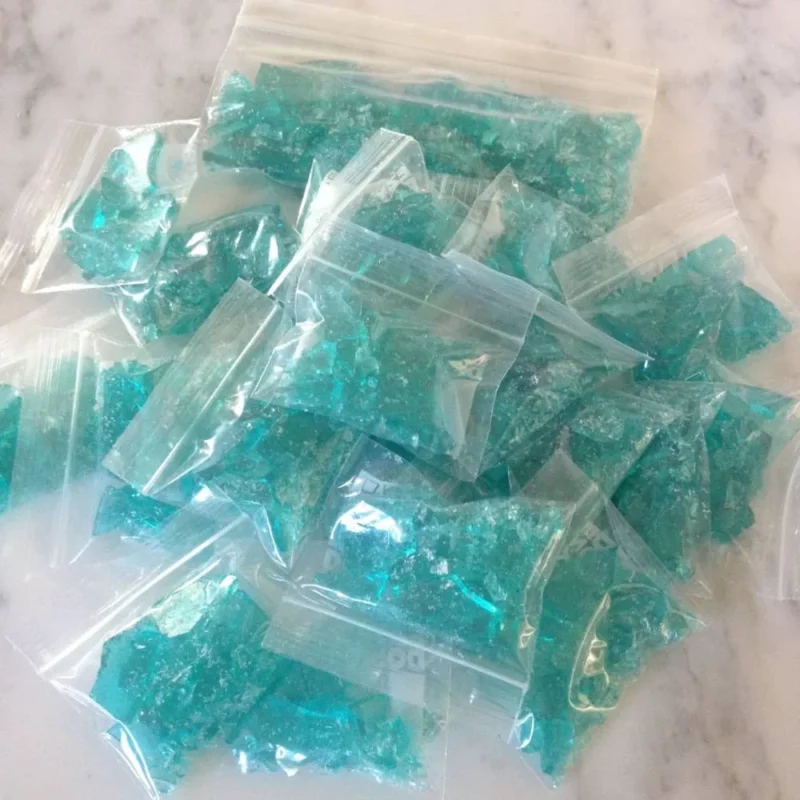
Crystal meth is the crystalline form of methamphetamine hydrochloride, a powerful and highly addictive man-made stimulant that affects the central nervous system. It gets its most common street name, “Ice,” from its appearance: clear, chunky crystals or shiny, glass-like rocks that resemble fragments of ice. While the classic form is clear, some variations exist, including a distinct blue crystal meth that has been noted in certain markets.
Methamphetamine has a dark history, initially used in World War II to keep soldiers awake. It later evolved into a prescription drug for narcolepsy and obesity before being recognized for its high potential for abuse and becoming a Schedule II controlled substance. Today, it is almost exclusively produced in illegal labs, where the lack of regulation makes the final product unpredictable and often toxic.
People typically use crystal meth by smoking it in a glass pipe, which delivers the drug to the brain almost instantly. Other methods include snorting the powder, injecting it with a needle, or swallowing it. The crystalline form, often referred to simply as Ice, is the most potent and sought-after version on the street. Regardless of how it’s used, methamphetamine is a chemical engineered for addiction, presenting a grave danger to anyone who tries it.
Key Facts:
- It is a Schedule II controlled substance in the United States, meaning it has a high potential for abuse.
- Street forms are rarely pure and are often “cut” with other toxic chemicals.
- Its addictive potential is extremely high, with many users becoming dependent after just a few uses.
The Secret Language: A Deep Dive into Street Slang
To avoid detection by law enforcement, family, and friends, users and dealers rely on a rich vocabulary of code words. This secret language is a critical part of the drug’s hidden culture. Knowing this slang is the first step to recognizing the risks in conversations or online.
Here is a breakdown of common terms:
| Slang Term | Meaning / Origin | Context / Usage |
|---|---|---|
| Ice, Glass, Crystal | Refers to the clear, crystalline, smokable form of meth. | “Do you have any ice?” or “He’s smoking glass.” |
| Tina | A popular shorthand for “crystal,” believed to come from “Christina.” | Widely used, especially in LGBTQ+ social and party scenes, as a discreet code word. |
| Shard | Describes the broken, glassy pieces of the crystal. | “I’m looking to pick up a shard.” |
| Crank, Speed | Older terms for methamphetamine, often referring to the less pure powder form. | More common in rural areas or with older users. |
| Yaba | A tablet form of methamphetamine mixed with caffeine, popular in Southeast Asia. | “He’s hooked on yaba tablets.” |
| Poor Man’s Cocaine | A descriptive term highlighting its low cost and intense, cocaine-like stimulant effects. | Used to explain its appeal in economically depressed areas. |
| Bike | A regional slang term, its origin is unclear but is used to refer to the drug. | “He’s out looking for a bike.” |
Understanding tina street slang and other terms is more than just learning words; it’s about recognizing the signals of a dangerous and hidden world.
The Allure and the Agony: The Ice Meth High
The experience of using meth is a rollercoaster of extreme highs and devastating lows. The ice meth high is what hooks users, but it’s a deceptive trap that always leads to a painful crash.
Phase 1: The Rush (The First 5-30 Minutes) This is the initial, intensely pleasurable wave. Depending on the method of use (smoking or injecting is fastest), the user feels:
- An overwhelming sense of euphoria and well-being.
- A sudden burst of energy and confidence.
- Sharpened focus and a feeling of mental clarity.
- Increased heart rate, blood pressure, and body temperature.
Phase 2: The High (4-12 Hours) After the initial rush, the user settles into a prolonged state of stimulation. During this phase, they may experience:
- Extreme talkativeness and sociability.
- A complete loss of appetite and inability to sleep.
- Repetitive, obsessive behaviors (e.g., cleaning, disassembling objects, or picking at skin).
- Feelings of invincibility and grandiosity.
Phase 3: The Crash (24-48 Hours After Last Dose) When the drug wears off, the brain, depleted of its pleasure chemicals, plunges into a state of misery. The crash is characterized by:
- Intense exhaustion and fatigue, leading to long periods of sleep.
- Severe depression and anxiety.
- A powerful craving for more of the drug to relieve the negative feelings.
- Irritability, paranoia, and aggression.
This cycle of rush, high, and crash is the engine of meth addiction signs, as the user will seek to avoid the crash at all costs, leading to a binge-and-crash pattern of use.
The Devastating Cascade: Crystal Meth Effects on the Body
The long-term crystal meth effects are catastrophic, systematically destroying the body from the inside out. The damage is often permanent and life-altering.
The Cardiovascular System Under Siege
Meth is a powerful vasoconstrictor, meaning it tightens blood vessels throughout the body. This puts immense, constant strain on the heart and circulatory system.
- High Blood Pressure & Tachycardia: Chronic high blood pressure and a rapid heart rate weaken the heart muscle over time.
- Arrhythmia: The drug can disrupt the heart’s electrical rhythm, leading to irregular and potentially fatal heartbeats.
- Atherosclerosis: It accelerates the hardening of the arteries, drastically increasing the risk of blood clots.
- Heart Attack & Stroke: Users are at a much higher risk for both, even at a young age, due to the combined effects of high blood pressure, vessel constriction, and artery damage.
Neurological and Sensory Damage
The brain is the primary target, but the entire nervous system suffers.
- Seizures: The over-stimulation of the brain can lower the seizure threshold, leading to convulsions.
- Stroke: As mentioned, the risk of hemorrhagic (bleeding) and ischemic (clot-based) strokes is significantly elevated.
- Eye Damage: Chronic use can lead to blurred vision, sensitivity to light, and in rare cases, a type of glaucoma caused by increased pressure in the eyes.
The Infamous “Meth Mouth”
This is perhaps the most visible and stigmatizing sign of long-term meth use. It’s a perfect storm of dental destruction.
- Severe Dry Mouth (Xerostomia): Meth reduces saliva production, which is essential for cleaning the teeth and neutralizing acid.
- Teeth Grinding (Bruxism): Users often unconsciously grind their teeth, causing them to crack and wear down.
- Poor Hygiene & Diet: The obsession with the drug leads to complete neglect of oral care and a diet high in sugary drinks and snacks.
The result is rapid, severe tooth decay, gum disease, and tooth loss. While meth mouth treatment focuses on extensive dental work like fillings, crowns, and dentures, the best approach is prevention and early intervention.
Dermatological Destruction
- Formication: A common and terrifying hallucination where users feel insects crawling under or on their skin.
- Skin Picking: In response to formication or general drug-induced anxiety, users obsessively pick at their skin, creating open sores that can become infected and lead to permanent scarring.
Respiratory and Organ Failure
- Lung Damage: Smoking meth can cause “meth lung,” a condition characterized by coughing up blood, shortness of breath, and pulmonary hypertension.
- Liver & Kidney Damage: The body struggles to filter out the toxic chemicals from the drug and its contaminants, leading to organ stress, hepatitis, and eventual failure.
The Mental Abyss: Psychological Effects and Brain-Hijacking Addiction
The psychological toll of meth is as severe as the physical one, often leading to a complete breakdown of a person’s mental state.
From Euphoria to Psychosis
The line between a high and a terrifying break from reality is dangerously thin. Long-term use can lead to a state of psychosis that mimics schizophrenia.
- Paranoia: An intense and irrational fear that others are plotting against them.
- Hallucinations: Seeing (visual) and hearing (auditory) things that are not there.
- Delusions: Holding fixed, false beliefs, such as thinking they are being monitored by the police or that their body is infested with parasites.
This psychosis can be so severe that it leads to violent or bizarre behavior. Tragically, it can persist for months or even years after a person stops using the drug.
Cognitive Decline and Emotional Numbness
The brain’s structure and function are fundamentally altered.
- Memory Loss: Both short-term and long-term memory become severely impaired.
- Impaired Decision-Making: The prefrontal cortex, responsible for judgment and impulse control, is damaged.
- Anhedonia: The brain’s reward system is so burned out that the user can no longer feel pleasure from normal activities like food, music, or social interaction. This leads to a deep, persistent depression.
Recognizing the Signs: A Checklist of Meth Addiction Signs
Addiction is a disease, and recognizing it is the first step toward getting help. Look for these meth addiction signs:
- Behavioral Changes: Sudden secrecy, lying, stealing, or unexplained need for money.
- Social Withdrawal: Abandoning old friends and family for a new social circle that uses drugs.
- Neglect of Responsibilities: Poor performance at work or school, loss of interest in hobbies.
- Physical Deterioration: Rapid weight loss, skin sores, dental problems, and a gaunt appearance.
- Psychological Shifts: Increased aggression, paranoia, anxiety, and mood swings.
How Crystal Meth Hijacks Your Brain: The Science of Addiction
The power of crystal meth lies in its direct assault on the brain’s reward system, which is run by the neurotransmitter dopamine. Normally, dopamine is released in small amounts to reward healthy behaviors. Meth hijacks this system with brute force.
Step-by-Step Brain Hijacking:
- The Flood: Meth enters the brain and blocks the transporters responsible for recycling dopamine. This causes a massive buildup of dopamine in the synapse, overstimulating the reward pathways to an extreme degree.
- The Rewiring: The brain is overwhelmed. It recognizes this massive, artificial reward as the most important thing for survival. It begins to rewire its circuitry, creating powerful cravings and compulsions that prioritize seeking and using the drug above everything else—food, family, safety, and sleep.
- The Damage: The flood of dopamine is toxic to the nerve cells. Over time, meth actually kills the brain’s dopamine receptors. This is why the crash is so painful and why long-term users feel no pleasure without the drug. The brain is literally broken and unable to function normally.
- The Withdrawal: When a user tries to stop, the brain, now devoid of dopamine and its receptors, plunges into a state of severe withdrawal. This includes extreme fatigue, deep depression, intense cravings, and an inability to feel pleasure. This painful state can last for weeks or months, making it incredibly difficult to quit.
The Long Road Back: Meth Withdrawal Symptoms and Recovery
Quitting meth is a grueling process, both physically and mentally. The meth withdrawal symptoms are a direct reflection of the brain trying to heal itself.
Common Withdrawal Symptoms Include:
- The Crash: Extreme fatigue and prolonged periods of sleep.
- Depression: Overwhelming sadness, hopelessness, and suicidal thoughts.
- Anxiety: Intense feelings of fear and worry.
- Psychosis: In some cases, hallucinations and paranoia can persist or re-emerge.
- Intense Cravings: A powerful, overwhelming urge to use the drug again.
Recovery is a long-term process that requires professional help, including therapy, counseling, and support groups like Narcotics Anonymous. While the brain can heal to some degree, some damage may be permanent, making ongoing support crucial for maintaining sobriety.
Navigating the Market: A Note on Purity and Analogs
One of the most frightening aspects of the illegal drug market is that you never truly know what you’re getting. The substance sold as crystal meth is often contaminated with other dangerous chemicals. For those seeking to understand the different types of products found on the market, you can explore the crystal meth section here.
This includes everything from the standard clear forms to the more notorious blue crystal meth for sale and dangerous analogs like buy α-PVP crystals online. α-PVP (Flakka) is a synthetic cathinone that can be even more potent and unpredictable than meth, leading to bizarre and violent behavior. If you are looking for specific information on the purest forms of the drug, you can read more about ice crystal meth super pure clean here. For the standard smokable variety often referred to as Ice, you can buy crystal meth ice for sale here.
Conclusion: Understanding the Full Picture
Crystal meth is not a casual drug. It is a powerful chemical weapon that systematically dismantles the body and brain. The initial high is a deceptive trap that leads to a cycle of addiction, devastating health consequences, and psychological ruin. Knowledge is the most critical tool in combating the spread of this dangerous drug. By understanding what it is, how it works, and the true cost it extracts, you can make informed decisions and help others do the same.
If you or someone you know is struggling with addiction, please reach out for help. Resources are available, and recovery is possible.
Frequently Asked Questions (FAQ)
What happens to the teeth when someone uses meth (Meth Mouth)? Meth Mouth is a severe condition of dental decay caused by a combination of dry mouth, teeth grinding, and poor oral hygiene. The drug’s acidic nature and the user’s high-sugar diet accelerate the process, leading to rapid tooth rot, gum disease, and tooth loss.
Is crystal meth different from regular speed or powder meth? Yes. Crystal meth (Ice) is a purer, smokable form of methamphetamine. It delivers a more immediate and intense high than the less pure powder form (speed). Because it reaches the brain so quickly, crystal meth causes addiction more rapidly and with greater severity.
Does the brain ever heal after long-term meth use? The brain has a remarkable ability to heal, but the process is slow and often incomplete. After a person stops using, some functions can improve over months and years. However, the damage to dopamine transporters and nerve cells can be permanent, which is why many former users experience long-lasting depression and cognitive deficits even years later.
What are the first signs of meth withdrawal? The first signs are often referred to as “the crash.” This includes extreme exhaustion, increased appetite, and prolonged sleep. This is typically followed by a deep depression, anxiety, and intense drug cravings that can last for weeks.
