
Uncategorized
Oxycodone (2026) – Uses, Side Effects, Addiction Risk & Is It Safe?
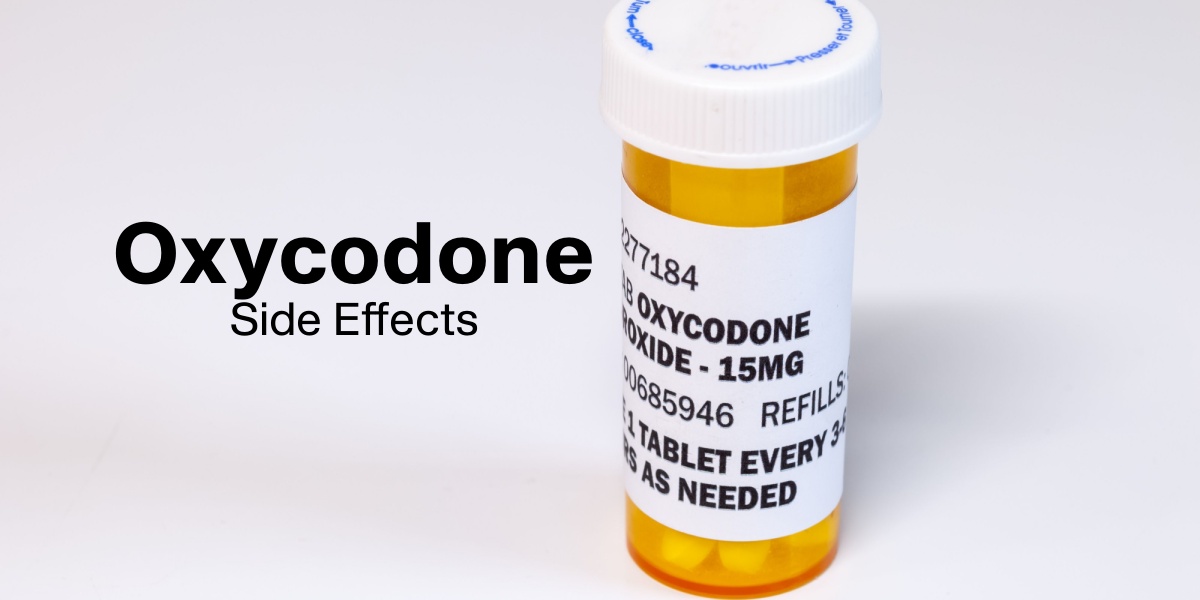
Apr
If you are holding a prescription for Oxycodone in 2026, or considering taking it, you are right to be cautious. The medical and cultural landscape surrounding pain management has shifted drastically over the last decade. What was once handed out liberally for minor injuries is now viewed with significant skepticism—and for good reason.
Oxycodone is one of the most powerful, effective, and dangerous analgesics available in modern medicine. It is a potent opioid agonist, meaning it works directly on the central nervous system to block pain signals, but it does so by triggering the same reward pathways in the brain that drive addiction.
In 2026, regulatory bodies are tighter with prescriptions than ever before. “Abuse-deterrent formulations” (ADF) are now the industry standard to prevent crushing and snorting. But does that make it safe? Not necessarily.
This comprehensive guide covers everything you need to know: pharmacology, dosage comparisons, the dark side of withdrawal, the 2026 legal context, and the real risks of addiction in the modern era.
⚡ QUICK ANSWER
Oxycodone is a semi-synthetic opioid used to treat moderate to severe pain (typically post-surgical, trauma, or cancer-related). It is highly effective but carries a high risk of addiction and physical dependence. In 2026, it is generally a Schedule II controlled substance reserved for pain that hasn’t responded to non-opioid treatments. Safety depends entirely on strict adherence to prescribed dosages and avoiding mixing with depressants like alcohol or benzodiazepines.
What is Oxycodone? (Deep Dive)
Let’s cut through the medical jargon. Oxycodone is a strong painkiller derived from thebaine, an organic chemical found in the opium poppy. It belongs to a class of drugs known as opioid analgesics. You might know it by its brand names like OxyContin (extended-release) or Percocet (combined with acetaminophen). View full product details
Developed in Germany in 1917, it was originally intended to be a less addictive alternative to morphine and heroin. History, unfortunately, proved that theory tragically wrong. Today, it is classified as a Schedule II controlled substance in the US and UK, meaning it has a “high potential for abuse” and use may lead to “severe psychological or physical dependence.”
Pharmacology: How It Works in the Brain
When you take Oxycodone, it travels through your bloodstream and crosses the blood-brain barrier. Once there, it binds to specific proteins called mu-opioid receptors.
- Pain Blockade: It alters the perception of pain by binding to these receptors in the brain and spinal cord. It doesn’t “fix” the injury; it lowers the volume knob on the pain signal traveling to your brain.
- Reward System: It triggers a massive release of dopamine. This is the brain’s “feel-good” chemical. This euphoria is what makes people feel relaxed, warm, and “high,” but it is also the primary biological driver of addiction.
Oxycodone vs. Other Opioids: A Comparison
To understand where Oxycodone fits in the spectrum of painkillers, it helps to compare it to its cousins.
| Drug Name | Type | Potency (vs. Morphine) | Primary Use | Addiction Risk |
|---|---|---|---|---|
| Codeine | Weak Opioid | ~0.15x | Mild pain, cough | Low-Moderate |
| Tramadol | Atypical Opioid | ~0.1x | Moderate pain | Moderate |
| Hydrocodone | Semi-Synthetic | ~0.7 – 1x | Moderate-Severe pain | High |
| Morphine | Natural Opioid | 1x (Baseline) | Severe pain (Gold Standard) | High |
| Oxycodone | Semi-Synthetic | 1.5x | Moderate-Severe pain | Very High |
| Fentanyl | Synthetic Opioid | 50-100x | Breakthrough cancer pain | Extreme |
Key Takeaway: Oxycodone is roughly 50% stronger than Morphine. This is why a 5mg dose of Oxycodone can feel significantly stronger than a 5mg dose of Morphine or Hydrocodone.
Uses of Oxycodone (2026 Medical Context)
In 2026, you generally won’t get this for a mild sprain or a headache. The medical community has undergone a massive paradigm shift regarding opioid prescribing due to the opioid crisis.
Approved Medical Uses
- Severe Acute Pain: This is the most common reason for a prescription today. Major surgeries (like joint replacements, spinal fusions, or complex trauma) produce pain signals that over-the-counter drugs (NSAIDs like Ibuprofen) cannot touch.
- Cancer Pain: For palliative care and oncology patients, quality of life is paramount. Oxycodone is often a cornerstone of cancer pain management to keep patients comfortable and functional.
- Chronic Pain (Limited): Occasionally prescribed for chronic pain conditions (like severe neuropathy or degenerative disc disease), but only as a “last resort.” Doctors usually require a signed “Pain Management Agreement” and frequent urine drug screens.
The Shift to Multimodal Analgesia (2026 Standard)
In 2026, doctors rarely use opioids as a “monotherapy.” They use a layered approach:
- Layer 1: NSAIDs (Ibuprofen/Naproxen) + Acetaminophen.
- Layer 2: Nerve blockers (Gabapentin/Lyrica) or muscle relaxers.
- Layer 3: Interventional procedures (nerve blocks, injections).
- Layer 4: Opioids (like Oxycodone) only if the first three fail.
Dosage Forms: Immediate vs. Extended Release
Not all Oxycodone is created equal. Understanding the difference is vital for safety.
1. Immediate Release (IR)
- Brand Names: Roxicodone, Oxaydo.
- Duration: Lasts 3 to 5 hours.
- Use Case: For “breakthrough” pain (sudden spikes) or acute short-term pain. It hits the system fast and drops off fast.
2. Extended Release (ER)
- Brand Names: OxyContin, Xtampza ER.
- Duration: Lasts 10 to 12 hours.
- Use Case: For around-the-clock, long-term pain management.
- ⚠️ Critical Warning: ER pills like OxyContin are designed to release the medication slowly. If you crush, chew, or snort an ER pill, you destroy the time-release mechanism. You dump 12 hours’ worth of powerful narcotic into your system in seconds. This is a leading cause of fatal overdose.
3. Combination Products
- Brand Names: Percocet, Roxicet, Endocet.
- Composition: Oxycodone + Acetaminophen (Tylenol).
- Risk: The acetaminophen component acts as a deterrent against taking too many pills because high doses cause liver failure. However, this also means you must track your daily Tylenol intake strictly.
Side Effects: What to Expect
Even if you take Oxycodone exactly as prescribed, you will likely experience side effects. Your body has opioid receptors for a reason (producing natural endorphins), and flooding them with a synthetic drug causes physical reactions.
Common Side Effects (The “Normal” Stuff)
Most people tolerate these, but they can be annoying:
- Constipation: This is the #1 complaint. Opioids slow down peristalsis (the movement of your intestines). It is so common that doctors usually prescribe stool softeners (docusate) or laxatives alongside the prescription.
- Nausea and Vomiting: Especially when you first start taking it. Taking it with food helps.
- Drowsiness/Sedation: You will feel groggy or “foggy.” Driving or operating heavy machinery is illegal and dangerous while on this medication.
- Pruritus (Itching): This isn’t usually an allergic reaction. It is caused by the release of histamines. It can be maddening but usually subsides.
- Dizziness/Orthostatic Hypotension: You might feel lightheaded when standing up because the drug lowers your blood pressure.
Serious Side Effects (Call 911 or Go to ER)
These are red flags that require immediate medical attention:
- Respiratory Depression: This is the killer. Opioids tell your brain stem to stop caring about CO2 buildup. Your breathing becomes shallow, slow, or stops entirely (“Cheyne-Stokes respiration”).
- Serotonin Syndrome: If you mix Oxycodone with antidepressants (SSRIs/SNRIs) or certain migraine meds, you can get agitation, fever, rigid muscles, and seizures.
- Adrenal Insufficiency: Long-term use can mess with your adrenal glands, causing chronic fatigue, weakness, and nausea.
- Hypogonadism: Long-term opioid use can suppress sex hormones (testosterone/estrogen), leading to low libido, erectile dysfunction, and osteoporosis.
Side Effect Severity Table
| Symptom | Severity | Frequency | Action Required |
|---|---|---|---|
| Constipation | Mild/Moderate | >90% of users | Take laxatives/stool softeners. |
| Nausea | Mild | Common | Eat with food. |
| Itching | Mild | Moderate | Antihistamines (Benadryl) may help. |
| Confusion | Moderate | Common in elderly | Monitor; reduce dose. |
| Stopped Breathing | Life Threatening | Rare | CALL 911 / Administer Naloxone |
Is Oxycodone Safe? The Risk Assessment
Is it safe? The honest answer is: Yes, but only under strict conditions.
Oxycodone is chemically safe when used exactly as prescribed for a short duration by a person with healthy lungs and no history of addiction. It becomes unsafe the moment you step outside those boundaries.
Safety Factors: A Matrix
| Factor | Safer Scenario | Dangerous Scenario |
|---|---|---|
| Duration of Use | Short-term (3-5 days post-surgery) | Long-term (Months/Years) |
| Dosage | Lowest effective dose (5mg IR) | Escalating doses (Tolerance buildup) |
| Other Substances | Taken alone | Mixed with Alcohol or Benzos |
| Medical History | Healthy lungs, liver, no apnea | Sleep Apnea, COPD, Liver disease |
| Psych History | No history of addiction | Personal or family history of SUD (Substance Use Disorder) |
The “Benzo” Danger (The Trinity of Death)
Mixing Oxycodone with benzodiazepines (like Xanax, Klonopin, Valium) is playing Russian Roulette with three bullets in the gun. Both drugs are Central Nervous System (CNS) depressants. Together, they multiply the risk of respiratory failure exponentially. In 2026, pharmacy software and state PDMPs (Prescription Drug Monitoring Programs) often flag doctors who try to prescribe both simultaneously to patients.
Addiction Risk: Why It’s So Hard to Quit
Here is where we need to be brutally honest. The addiction risk of Oxycodone is high, even when taken as directed.
The Neuroscience of Dependency
Your brain likes homeostasis (balance). When you flood the brain with opioids artificially, it notices the excessive dopamine rush and attempts to compensate by reducing its own natural production of endorphins and “downregulating” (reducing the number of) receptors.
- Tolerance: You need more of the drug to get the same pain relief (or the same high).
- Physical Dependence: Your body chemistry changes. If you stop the drug abruptly, your brain has no mechanism to handle pain or stress because you’ve disabled its natural factory. You crash into withdrawal.
Signs of Addiction (Opioid Use Disorder)
Addiction is distinct from physical dependence. It involves behavior and mental obsession.
- Loss of Control: Taking more than prescribed or running out of pills early.
- Cravings: Obsessing over the next dose or counting pills constantly.
- Doctor Shopping: Visiting multiple doctors or ERs to get more prescriptions (much
harder in 2026 due to electronic databases).
- Neglecting Obligations: Ignoring work, family, or hygiene to use the drug.
- Withdrawal Sickness: Using the drug specifically to avoid getting sick (dopesickness).
Who is at Risk?
You don’t have to be a “bad person” to get addicted. Risk factors include:
- Genetics: 40-60% of addiction risk is hereditary.
- Environment: Exposure to trauma, adverse childhood experiences (ACEs), or peer pressure.
- Age: Younger brains (under 25) are more susceptible to addiction because the prefrontal cortex (impulse control) isn’t fully developed.
Withdrawal Symptoms: The Flu from Hell
If you become physically dependent on Oxycodone and stop abruptly, you will go through withdrawal. It is rarely fatal (unlike alcohol or benzo withdrawal), but it is miserable enough to keep people using just to make it stop.
Withdrawal Timeline
- 6-12 Hours (The Onset): Restlessness, anxiety, muscle aches, watery eyes, runny nose, yawning. You feel like you are “coming down with something.”
- 12-24 Hours (The Peak Begins): Insomnia, excessive sweating, goosebumps (“cold turkey”), dilated pupils, rapid heartbeat.
- 24-48 Hours (The Peak Misery): Severe gastrointestinal distress (diarrhea, vomiting, cramps), intense muscle spasms, uncontrollable leg kicking, psychological depression, anxiety attacks.
- 72 Hours + (The Slow Climb Out): Physical symptoms begin to subside, but “Post-Acute Withdrawal Syndrome” (PAWS) can linger for weeks or months, characterized by depression, brain fog, and anhedonia (inability to feel pleasure).
Treatment for Withdrawal
In 2026, “cold turkey” is rarely recommended by doctors. They often use:
- Buprenorphine (Suboxone): A partial opioid agonist that attaches to receptors and stops withdrawal without getting you high. It is the gold standard for detox.
- Clonidine: A blood pressure medication that helps with the “jitters,” anxiety, and sweating.
- Zofran/Phenergan: Anti-nausea medications to keep fluids down.
How to Use Oxycodone Safely (Harm Reduction)
If you or a loved one must take this medication in 2026, follow these harm reduction rules to survive:
1. Naloxone (Narcan) is Mandatory
If you are taking opioids, someone in your house should have Naloxone. It is a nasal spray or injectable that reverses opioid overdoses instantly by knocking the opioids off the receptors. It is available OTC in most places in 2026. It saves lives.
2. Never Share Meds
A dose that is safe for you (e.g., a 200lb male with high tolerance) could kill a friend (a 120lb female with zero tolerance). Giving your meds to someone else is a felony.
3. Secure Storage
Keep it in a locked safe. Oxycodone is a high-value street drug. Teenagers, guests, or service workers may steal it from medicine cabinets.
4. Proper Disposal
Don’t flush them (bad for water supply). Take unused pills to a pharmacy “take-back” bin or mix them with coffee grounds/cat litter in the trash.
5. Avoid Alcohol Completely
Even one beer can dangerously potentiate the respiratory depression effects of Oxycodone.
Drug Interactions: What to Avoid
In 2026, pharmacy software is sophisticated, but you must be your own advocate.
Dangerous Interactions
- Alcohol: Increases sedation and can cause rapid liver failure when mixed with acetaminophen (Percocet).
- Benzodiazepines: As noted, a fatal combo.
- CYP3A4 Inhibitors: Drugs like Erythromycin (antibiotic), Ketoconazole (antifungal), or even grapefruit juice can slow down the liver enzymes that break down Oxycodone. This causes the drug to build up to toxic levels in your blood.
FAQs: Search Terms & Common Questions
How long does Oxycodone stay in your system?
Detection times vary by test type:
- Urine: 3-4 days (standard drug test).
- Blood: Up to 24 hours.
- Saliva: 1-4 days.
- Hair: Up to 90 days (used in legal settings).
Note: The pain relief only lasts 4-6 hours, but the drug metabolites linger much longer.
Does Oxycodone get you high?
Yes. For someone not in pain, it causes euphoria, warmth, and sedation. For someone in severe pain, it simply makes them feel “normal” and pain-free. The “high” is the primary driver of recreational abuse.
Is Oxycodone stronger than Hydrocodone?
Yes. Approximately 1.5 times stronger. 5mg of Oxycodone is roughly equivalent to 7.5mg of Hydrocodone (Vicodin/Norco).
Can I drive on Oxycodone?
Legally, no. Physically, it is unsafe. Your reaction time is significantly slowed. You can be charged with a DUI even if you have a valid prescription.
How do I taper off safely?
Do not stop “cold turkey.” Work with your doctor to create a taper schedule. This might involve dropping your dose by 10-25% every few days or weeks, depending on how long you’ve been taking it. Tapering minimizes withdrawal symptoms.
Will it show up on a drug test?
Yes. Standard 5-panel drug tests detect “Opiates.” Oxycodone usually shows up specifically as “Oxycodone” or “Opioids” depending on the test’s sensitivity. It is distinct from heroin or morphine but still flagged as a positive opiate result.
Is it safe to cut or break OxyContin?
No. Unless the pill is scored (has a line down the middle), breaking it can destroy the time-release mechanism. Never crush, chew, or dissolve extended-release opioids.
The Bottom Line
Oxycodone in 2026 remains a double-edged sword. It is a miracle for the terminal cancer patient or the trauma victim, but it is a destroyer of lives for those who fall into the trap of addiction.
The key is respect. Respect the dosage. Respect the time period (keep it short). Respect the interactions.
If you feel yourself starting to crave the pills—using them for anxiety instead of pain, or running out early—that is the warning sign. Speak up immediately. Addiction is a medical condition, not a moral failing. But it is much easier to prevent than it is to cure.
Disclaimer: This article is for informational purposes only and does not constitute medical advice. Always consult with a healthcare professional before starting, stopping, or changing any medication.
