
Blog
What Is an 8 Ball? Meaning, Weight (3.5 Grams), Slang & Risks Explained (2026 Guide)
Sep
Cocaine remains a highly addictive, illicit stimulant that affects millions of people worldwide. Users often develop a dependence on the substance rapidly, leading to severe physical and psychological consequences. Those living with cocaine addiction frequently require professional treatment and ongoing support to overcome the condition and move forward into a healthier, sober future.
Recognizing terminology related to cocaine use can help you identify abuse in a loved one or expand your knowledge about substance abuse in general. People familiar with drug culture may often talk about an “8-ball.” But what does this term actually mean? And how much is an 8-ball of cocaine?
This comprehensive guide will define what an 8-ball of cocaine means, the risks of cocaine abuse, and how to seek treatment for addiction. For a deeper understanding of cocaine terminology, measurements, and the specific dangers associated with this quantity, read our full guide below.
Quick Answer: An 8 ball weighs 3.5 grams (3,500 mg, or one-eighth of an ounce) of cocaine, meth, or crack. It typically costs $120–$300 in the U.S., contains roughly 25–70 lines, and is a potentially lethal quantity for anyone without a high tolerance.
What Is an 8-Ball of Cocaine?
An 8-ball of cocaine is one-eighth of an ounce of the drug–or about 3.5 grams. The term “8-ball” acts as a unit of measurement that has become a standard in drug culture, representing a specific weight significant enough for personal use over a short period or for distribution. While it is most commonly associated with cocaine, the term can also be used in reference to methamphetamine, malt liquor, and other intoxicating or illegal substances. See product details
So, how much does an 8 ball weigh? Exactly 3.5 grams — and that weight stays the same whether the 8 ball contains cocaine, meth, or crack.
Cocaine itself is a potent stimulant drug derived from the coca plant in South America. Indigenous people in this region used the leaf medicinally and recreationally for hundreds of years. However, today, it is a Schedule II controlled substance in the United States, indicating a high potential for abuse and severe psychological or physical dependence. To understand the specific costs and risks associated with this amount, you can explore this detailed resource on what is an 8-ball of cocaine
What Exactly Is an 8-Ball of Cocaine?
An 8-ball is precisely 3.5 grams of cocaine. In the metric system, which is used universally for drug weighing, an ounce is approximately 28.35 grams. One-eighth of that amount (1/8) equals roughly 3.5 grams. This measurement has become a standard “bulk” purchase for users who want more than a single gram but aren’t ready to buy a quarter ounce (7 grams) or a half ounce (14 grams).
For many users, the 8-ball represents a “sweet spot” in terms of quantity. It is large enough to allow for binge usage over a weekend but small enough to be relatively concealable. It effectively bridges the gap between casual, one-time use and heavy, consistent distribution.
Other Drugs Referred to as an 8-Ball
While “8-ball” is almost synonymous with cocaine in popular culture, the term is technically a measurement unit and can apply to other substances.
Methamphetamine: Crystal meth is also frequently sold in 8-ball quantities (3.5 grams) — often called an 8 ball of ice or crystal. Similar to cocaine, it is a stimulant, and the weight denomination is convenient for mid-level transactions.
Malt Liquor: Interestingly, the term “8-ball” has also been used in the context of malt liquor. This usually refers to specific brands or simply slang for a 40-ounce bottle, though this usage is less common than the drug reference.
Marijuana: While weed is usually sold in grams, eighths (3.5 grams), and ounces, the term “8-ball” is rarely used for cannabis. Users typically just say “an eighth.” Searches for “8 ball weed” or “8ball weed” almost always refer to the same 3.5 grams, though the term “8-ball” almost exclusively implies “hard” drugs like cocaine or meth in street transactions.
How an 8-Ball Differs Across Substances
The physical volume and value of an 8-ball differ drastically depending on the substance.
Cocaine: As a fine white powder, an 8-ball of cocaine is relatively compact. It might fill a small snack baggie or a corner of a sandwich bag. The texture is soft and clumpy if pure.
Methamphetamine: Crystal meth usually comes in rock form. An 8-ball of meth may look physically larger than an 8-ball of powder cocaine because of the crystal structure and air pockets between the rocks.
Heroin: If an 8-ball of heroin were sold (which is less common; heroin is usually sold in smaller “bindles” or grams), it would appear as a tan, off-white, or brown powder.
8 Ball of Meth: Weight, Meaning & “Ice” Explained
An 8 ball of meth weighs the same as an 8 ball of cocaine: 3.5 grams. It is also called an 8 ball of ice, an 8 ball of crystal, or — in regional street slang — a “ball of hard” or simply “hard,” since crystal meth is known as “hard” as opposed to powder drugs.
Key differences between an 8 ball of meth and an 8 ball of cocaine include:
- Appearance: Meth comes in clear, white, or bluish rocks and crystals, so an 8 ball of meth looks physically bulkier than a compact pile of powder cocaine.
- Duration: A meth high lasts 8–24 hours per dose, compared to cocaine’s 15–30 minutes. That means an 8 ball of meth (3.5g) can fuel a multi-day binge.
- Risk: Meth bingeing causes severe psychosis, “meth mites” (formication), extreme weight loss, and cardiovascular damage. Going through a full 8 ball of meth in a day or two is a medical emergency waiting to happen.
- Price: An 8 ball of meth typically costs $100–$300 depending on region and purity — comparable to cocaine in most U.S. markets.
8 Ball of Crack & 8 Ball of Molly
How much is an 8 ball of crack? An 8 ball of crack is also 3.5 grams, sold as small off-white rocks. Crack generally costs less per gram than powder cocaine — roughly $60–$250 for an 8 ball — because it is processed from powder using baking soda. The danger is amplified: crack’s high lasts only 5–15 minutes, driving compulsive re-dosing that can burn through an entire 8 ball in a single binge.
An 8 ball of molly (MDMA) would be 3.5 grams — approximately 28–35 full doses at once, since a typical MDMA dose is only 100–125 mg. This is a dangerously large quantity; high doses of MDMA cause hyperthermia, seizures, and death.
How Many Grams Are in an 8-Ball of Cocaine?
Understanding the exact weight of an 8-ball is crucial for recognizing the severity of use. As established, an 8-ball is exactly 3.5 grams. To visualize this, think of a standard paperclip, which weighs about 1 gram. An 8-ball would weigh roughly three and a half times that. visit this educational overview on 8-ball weight
How Many Grams Is an 8 Ball?
The direct answer is 3.5 grams. However, in street transactions, weights are rarely precise. A “heavy” 8-ball might weigh 4.0 grams, while a “light” one might be closer to 3.0 grams. Digital scales are typically used to measure this amount, as the difference of even half a gram represents a significant amount of money in the drug trade. read about common myths regarding 8-ball weight and purity
There are many misconceptions about street weights versus actual mass. The most common myth is that an 8 ball weighs a different amount depending on the drug — it does not. Whether it is cocaine, meth, crack, or heroin, an 8 ball is always a 3.5-gram measurement. Purity varies; the weight standard does not.
Quick 8-ball conversions:
- 8 ball in grams: 3.5 g
- 8 ball in milligrams: 3,500 mg
- 8 ball in ounces: 0.125 oz (⅛ oz)
Comparing an 8-Ball to Other Cocaine Quantities
To understand where the 8-ball fits in the hierarchy of drug weights, it helps to compare it to other common street amounts.
| Slang Term | Exact Weight | Common Use |
|---|---|---|
| Gram | ~1.0 Gram | A “bump” or a few lines; usually for a single session. |
| 8-Ball | 3.5 Grams | A standard bulk amount; usually lasts 1-3 days depending on tolerance. |
| Quarter | 7.0 Grams | Double an 8-ball; signifies heavier use or small-scale dealing. |
| Half Ounce | 14.0 Grams | Significant quantity; usually indicates a dealer or severe addiction. |
| Ounce | 28.35 Grams | A “zip”; strictly distribution level. |
How Many 8 Balls Are in an Ounce, Quarter, Pound & Kilo?
An ounce is the standard wholesale unit, and there are exactly eight 8-balls in a single ounce — which is precisely where the name comes from.
| Unit | Weight | Number of 8 Balls |
|---|---|---|
| 1 Gram | 1 g | 0.29 |
| Teener (half ball) | 1.75 g | 0.5 |
| 8 Ball | 3.5 g | 1 |
| Quarter Ounce | 7 g | 2 |
| Half Ounce | 14 g | 4 |
| Ounce (“zip”) | 28.35 g | 8 |
| Quarter Pound | ~113 g | ~32 |
| Pound | ~454 g | ~129 |
| Kilogram (“kilo”) | 1,000 g | ~285 |
So how many balls are in an ounce? Eight. In a quarter ounce? Two. In a half ounce? Four. In a pound? Approximately 129. And in a kilogram (1,000 grams)? Roughly 285 eight balls.
Half Ball, Quarter Ball & Points: Smaller 8 Ball Measurements
- Half ball = 1.75 grams (half of an 8 ball, or one-sixteenth of an ounce). In street weight slang, this amount is commonly called a “teener.” A half ball of meth weighs the same as a half ball of cocaine: 1.75 grams.
- Quarter ball = ~0.875 grams (one-quarter of an 8 ball). Note: a “quarter ball” is not 3.5 grams — it is a quarter of 3.5 grams.
- Points: In meth markets (especially Australia and the UK), weight is measured in points, where 1 point = 0.1 grams. That means an 8 ball = 35 points, a half ball = 17.5 points, and a quarter ball ≈ 9 points.
- Double an 8 ball = 7 grams, which is a quarter ounce — usually just called “a quarter.”
How Much Is an 8-Ball Compared to a Gram or Eighth?
It is important to note that an “8-ball” and an “eighth” are mathematically the same thing: one-eighth of an ounce. However, the terminology usage differs. In the world of marijuana, users almost always say “an eighth” of weed. In the world of cocaine, users say “an 8-ball.”
Volume: An 8-ball (3.5g) of cocaine is significantly smaller in volume than an eighth of marijuana. Cocaine is dense and fine; weed is light and fluffy.
Potency: 3.5 grams of cocaine is a massive dose. A gram of cocaine can easily cause overdose in a naive user. Therefore, an 8-ball represents a potentially lethal amount of product if consumed rapidly.
Why Is It Called an 8-Ball?
The term “8-ball” comes from drug culture and has been in use since at least the 1980s. It refers to one-eighth of an ounce (3.5 grams), which is a common amount discussed in relation to cocaine use. The name likely comes from the visual similarity between this amount and the black 8-ball in pool. The “eight ball” phrase itself originated on the pool table in the early 1900s, but as drug slang, the term became standardized during the 1970s–80s cocaine boom — and it has meant 3.5 grams ever since. Learn full guide about this topic
History of the Term in Drug Culture
During the cocaine boom of the 1970s and 1980s, the drug transitioned from a niche luxury to a widespread street drug. As markets expanded, standardized weights were necessary for efficient transactions. The “ounce” was the standard wholesale unit. Breaking an ounce down into eight equal parts provided a manageable amount for the mid-level user—a quantity large enough to justify a trip to the dealer but not so large as to require significant capital.
The term “8-ball” offered a coded, cool-sounding slang that disguised the transaction. It sounds less clinical than “3.5 grams” and less explicit than “eighth of an ounce.”
“Behind the 8-Ball” Meaning
The phrase “behind the 8-ball” is an idiom that predates the drug slang, originating from the game of pool (specifically the game “Eight-Ball”). In pool, being “behind the 8-ball” means being in a difficult position where the 8-ball blocks your shot, putting you at a disadvantage.
In drug culture, the double meaning is ironic. Buying an 8-ball might provide a temporary high, but it often leaves the user “behind the 8-ball” in life—struggling with addiction, debt, and legal issues. The symbolism of the black ball in pool—the final ball that must be pocketed to win or lose the game—mirrors the high-stakes risk of using such a large quantity of cocaine.
What Does “8 Ball” Mean? Slang and Drug Terminology
In the lexicon of street drugs, terms evolve rapidly. “8-ball” has remained a staple because it is specific and catchy. It functions as a noun (“I bought an 8-ball”) and a measurement standard.
Different groups interpret this term differently. Users view an 8-ball as a personal supply. Dealers see it as a standard sales unit. Conversely, law enforcement recognizes the quantity as a potential trigger for felony distribution charges in many jurisdictions, as possession of 3.5 grams often exceeds “personal use” thresholds. Learn street slang
Slang for an 8 Ball
While “8-ball” is the most common term, there are variations and related slang:
- Ball: Short for 8-ball. “How much for a ball?”
- Eighth: Used interchangeably, though less “cool” in some circles.
- 3.5: Clinical slang used to be precise about the weight.
8-Ball in Pop Culture and Media
The term has been cemented in pop culture through music and movies.
Rap Music: Countless lyrics reference the “8-ball.” In the 80s and 90s, it became a symbol of the “hustler” lifestyle. N.W.A., Dr. Dre, and other hip-hop icons popularized the term, embedding it in the cultural lexicon.
Movies: Films like Scarface (while focusing on larger quantities) and various crime dramas depict the transaction of “balls” of cocaine, reinforcing the term’s association with the gritty reality of the drug trade.
Dime Bag vs. 8 Ball: Street Drug Weight Slang Glossary
Confused by street weight terms? Here’s how an 8 ball compares to other common drug measurements:
| Slang | Weight | Typical Meaning |
|---|---|---|
| Dime bag | ~1 g ($10 worth) | Small personal amount |
| Dub | $20 worth | ~2 grams |
| Gram (“G”) | 1 g | Single session |
| Teener | 1.75 g | Half an 8 ball |
| 8 Ball / “ball” | 3.5 g | Standard bulk purchase |
| Quarter (“quad”) | 7 g | Heavy use / small-scale dealing |
| Half | 14 g | Dealer quantity |
| Zip | 28 g | Full ounce |
| Kilo | 1,000 g | Distribution level |
In cocaine measurement slang, “a ball” and “an 8 ball” are identical — 3.5 grams. Asking “how much is a ball in drug terms” always refers to this weight.
What Is a “3.5” in Drug Terms?
A “3.5” (or “three five”) is direct slang for an 8 ball — 3.5 grams of cocaine or meth. Buyers use the number itself as shorthand to be precise without naming a specific drug. When someone refers to “a 3.5 drug” or “3.5 grams of powder,” they are talking about this standard quantity.
8 Ball Drink vs. 8 Ball Drug
Outside of drug slang, an “8 ball” historically referred to 40-ounce malt liquor (a nod to brands like Olde English 800). This usage is now rare — today, the term almost always means 3.5 grams of a stimulant drug.
Other Substances Called an 8-Ball
While cocaine and meth are the primary drugs measured this way, the term has bled into general slang. Occasionally, users might refer to a combination of drugs as an “8-ball,” but this is dangerous and rare. For example, a “speedball” is a mix of heroin and cocaine, but confusing terms can lead to fatal overdoses. The term “8-ball” should strictly be understood as a weight measurement (3.5g) rather than a specific drug type, though cocaine is the default assumption.
8-Ball Symbolism and Meaning
Beyond the scales and dollar signs, the 8-ball carries a heavy symbolic weight. It is a modern icon of risk.
Black 8-Ball Meaning
The image of the black sphere with the white number “8” is universally recognized. In gaming, it represents the endgame—the final shot. In drug symbolism, this carries a fatalistic undertone. The black 8-ball is the “game over” signal. Using an 8-ball of cocaine is often seen as gambling with one’s life. The black color also contrasts sharply with the white powder of the drug, creating a visual dichotomy often explored in art and media.
8-Ball Symbolism in Culture
In broader culture, the 8-ball is a symbol of chance (like the Magic 8-Ball toy used for fortune-telling). This ties into the unpredictable nature of illicit drug use. When someone buys an 8-ball of street cocaine, they are “shaking the Magic 8-Ball” regarding the outcome. Will it be a fun weekend? A heart attack? An arrest? The uncertainty is inherent in the symbolism.
Physical Characteristics of an 8-Ball
An 8-ball of cocaine typically appears as a white, crystalline powder. However, the appearance can tell a potential user very little about the actual chemical composition. you can view photos and descriptions of what an 8-ball looks like
How Street Cocaine Differs from Pure Cocaine
Pure cocaine hydrochloride is a white, flaky powder derived from coca leaves. However, by the time an 8-ball is purchased on the street, it has traveled through many hands. “Stepping on” the drug refers to diluting it to increase profit margins. An 8-ball of street cocaine may be anywhere from 20% to 80% pure, though purity levels have fluctuated wildly in recent years. read our guide on understanding the different types of cocaine and their effects.
How Big Is an 8 Ball? What Does an 8 Ball Look Like?
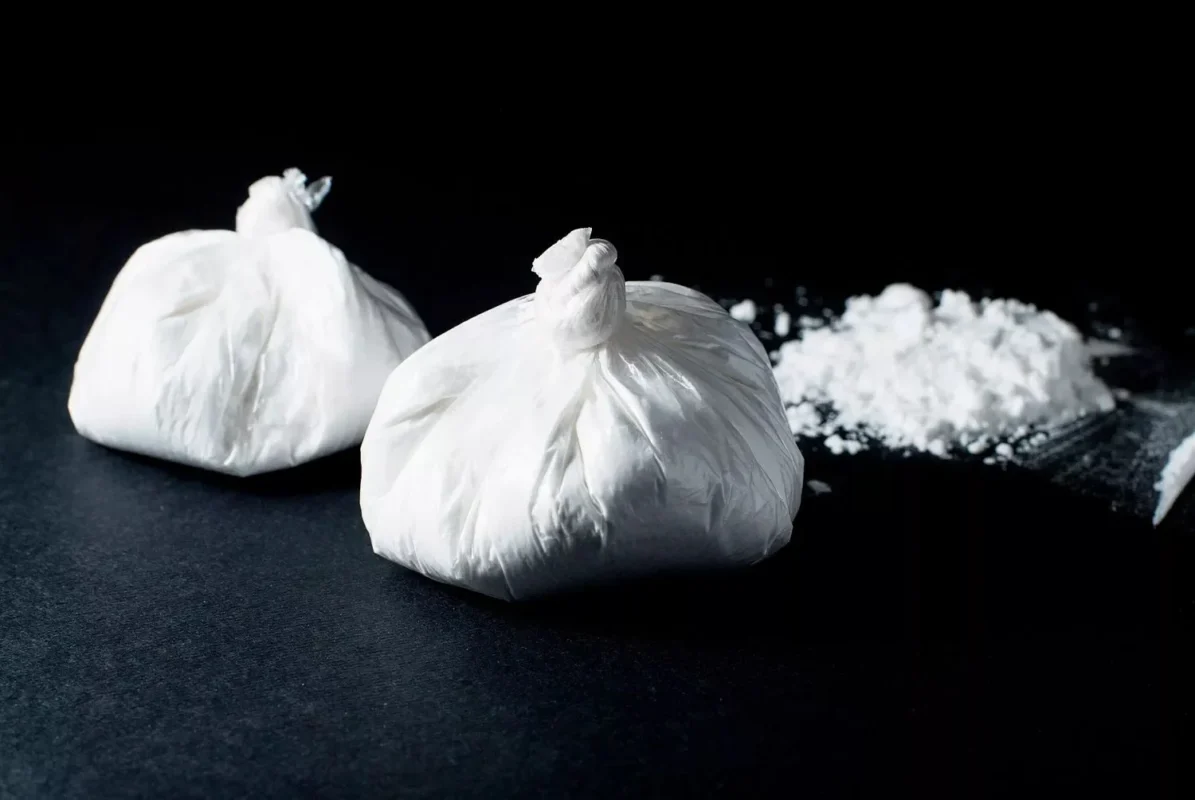
Visually, 3.5 grams of cocaine is a small pile, roughly the size of a golf ball if fluffed up, or smaller if compacted — about two teaspoons in volume. In terms of size, an 8 ball of coke fills a small corner baggie. It is often packaged in small zip-lock baggies, sometimes double-bagged to prevent smell and spillage. Dealers may stamp bags with logos or brand names to signify “quality,” though this is marketing, not a guarantee of safety.
Common Cutting Agents in Cocaine
The danger of an 8-ball lies not just in the cocaine, but in what else is in it. Common cutting agents include:
- Local Anesthetics (Lidocaine/Benzocaine): These mimic the numbing effect of cocaine, fooling users into thinking the product is pure.
- Inert Powders: Talcum powder, flour, cornstarch, or baby powder are used to add bulk.
- Levamisole: A veterinary deworming agent that was historically used to cut cocaine. It can cause severe immune system suppression and skin necrosis.
- Fentanyl: In recent years, fentanyl has been found cutting cocaine. This is extremely dangerous; even a few milligrams of fentanyl can be lethal. An 8-ball cut with fentanyl is a death sentence for an unsuspecting user.
How Much Does an 8-Ball Cost?
The price of cocaine can vary significantly based on several factors including location, purity, and availability. It typically ranges anywhere from $25 to $200 for a gram. An eighth of cocaine is 3.5 grams and it typically costs anywhere from $120-300.
Crack cocaine 8 balls run cheaper ($60–$250), while 8 balls of meth typically cost $100–$300 depending on the market.
Factors That Affect Cocaine Prices
Purity: Higher purity commands a higher price. “Fish scale” cocaine (pearly, shiny appearance) is sold at a premium.
Location: Prices are highest furthest from the source (South America). Major cities often have lower prices due to competition and supply volume, while rural areas see higher prices.
Supply and Demand: Law enforcement crackdowns reduce supply and drive prices up. Holidays or events often drive demand up.
Dealer Markup: A “middleman” buys in bulk (ounces) and breaks it down into 8-balls. Each step in the chain adds a markup.
Price Comparison Table by Region
| Region | Price per Gram | Price for 8-Ball (3.5g) | Quality Notes |
|---|---|---|---|
| West Coast (USA) | $60-80 | $210-280 | Generally higher purity due to port proximity. |
| East Coast (USA) | $40-70 | $140-245 | Variable purity; market varies by city. |
| Midwest (USA) | $50-100 | $175-350 | Often lower purity due to transport distance. |
| South (USA) | $40-60 | $140-210 | Variable purity. |
| Urban Centers | $60-120 | $210-420 | Higher competition creates price variance. |
| Rural Areas | $80-150 | $280-525 | Higher prices due to scarcity and transport risk. |
| Canada | $80-120 | $280-420 | Generally high purity. |
| Europe | $50-100 | $175-350 | Varies by country; UK prices are high. |
| Australia | $200-300 | $700-1050 | Highest prices globally due to strict border control. |
Note: These prices are approximate and fluctuate based on market factors.
How Price Varies by Urban vs Rural Areas
In urban centers, the market is often saturated. Dealers compete on price and quality, meaning an 8-ball in New York or Los Angeles might be cheaper than in rural Wyoming. Conversely, in rural areas, the drug passes through more hands to get there. This process increases the price and the likelihood of heavy cutting (lower quality). This economic dynamic makes addiction even more financially ruinous for rural users, who pay more for a less potent product.
Is It Dangerous to Take an 8-Ball of Cocaine?
Yes. An eight-ball of cocaine is a dangerously large amount of cocaine to use on a single occasion. However, those with cocaine dependence or addiction may use an eight-ball of cocaine daily. The duration of an 8-ball’s effects depends heavily on the user’s tolerance and method of consumption.
Mechanism of Action
Cocaine works by stimulating activity in the central nervous system (CNS). Users experience a quick rush of euphoria and energy within just minutes of snorting or injecting cocaine. Smoking crack cocaine can cause intense effects even faster– within just seconds.
Short-Term Effects of Cocaine
Snorting, injecting, smoking, and freebasing cocaine have short- and long-term effects. These include:
- Elevated heart rate and blood pressure
- Increased body temperature
- Irregular heart rhythm
- Loss of appetite
- Impaired judgment
- Paranoia and Irritability
- Tremors or muscle twitches
- Hallucinations
Comparison of Administration Methods
The way an 8-ball is consumed drastically changes the risk profile. see here
| Method | Onset of Effects | Duration of High | Typical Dosage | Health Risks |
|---|---|---|---|---|
| Snorting | 3-5 minutes | 15-30 minutes | 0.5-1.5g per session | Nasal damage, sinus issues, septum perforation. |
| Smoking (Crack) | 5-10 seconds | 5-15 minutes | 0.1-0.5g per session | Lung damage (“crack lung”), rapid addiction, burns. |
| Injecting | 15-30 seconds | 10-20 minutes | 0.1-0.5g per injection | Vein damage, abscesses, high HIV/Hepatitis risk, instant overdose. |
| Oral | 10-30 minutes | 60-90 minutes | 0.5-2g per session | Severe liver strain, gastrointestinal issues. |
Overdose Risks and Symptoms
Using a large amount of cocaine, such as an 8-ball, can cause intensified adverse effects or a deadly overdose. People using cocaine for the first time or those who do not use it regularly may experience an overdose if they attempt to use an eight-ball of cocaine in one sitting or even over the course of a whole day. Using too much cocaine can lead to sudden death. The stimulant effect can overwhelm the cardiovascular system. Symptoms include:
- Difficulty breathing
- Seizures
- Chest pain / Heart attack
- Stroke
- Hyperthermia (extremely high body temperature)
- Kidney failure
- Psychosis
If someone shows these symptoms, call 911 immediately.
Can an 8-Ball Cause an Overdose?
Absolutely. For a non-tolerant individual, a lethal dose of cocaine can be as low as 1.2 grams, though it varies based on body weight and health. An 8-ball is 3.5 grams—nearly three times the potential lethal threshold. Even for a tolerant user, consuming an 8-ball in a short window (“bingeing”) can lead to toxicity buildup, resulting in seizures or stroke. The risk is compounded if the user believes they are buying standard street cocaine but has purchased a product cut with fentanyl.
Understanding Long-Term Effects of Cocaine Abuse
Progression of Dependence
When someone uses drugs heavily or regularly, their body becomes accustomed to the presence of the drug. In time, people may need to use more of a substance to get the same effects. This is called building tolerance. People who use an eight-ball of cocaine have likely built up a tolerance to cocaine, which is a sign of addiction.
Physical Health Consequences
Long-term cocaine abuse can cause severe damage to various body systems:
- Cardiovascular System: Chronic high blood pressure, heart muscle damage (cardiomyopathy), aortic dissection, and increased risk of heart attack.
- Respiratory System: Chronic bronchitis (from smoking), lung damage, and respiratory failure.
- Nasal and Sinus Damage: Perforated nasal septum (hole in the nose), chronic sinus infections, and loss of smell.
- Gastrointestinal System: Ulcers and intestinal gangrene due to reduced blood flow.
- Neurological System: Seizures, headaches, movement disorders, and increased risk of Parkinson’s disease.
Mental Health Consequences
The psychological impact is devastating:
- Psychosis: Paranoia and hallucinations are common in heavy users.
- Severe Depression: The “crash” after a binge can be suicidal.
- Cognitive Impairment: Memory problems and poor decision-making abilities persist even after cessation.
Social and Economic Consequences
Beyond health, cocaine addiction devastates a person’s life. An 8-ball habit is expensive.
- Financial Ruin: Spending $200-$300 every few days drains bank accounts rapidly.
- Legal Problems: Possession of an 8-ball is a felony in many places.
- Relationship Breakdowns: The paranoia and erratic behavior destroy families and friendships.
Building Tolerance and Addiction
Tolerance develops quickly. A user might start with a gram on a weekend, but soon needs an 8-ball to feel the same high. This escalation is the hallmark of addiction. The brain’s reward system is hijacked, making sobriety feel impossible without help.
Recognizing Cocaine Addiction and Seeking Treatment
Cocaine addiction is a complex, devastating condition that can disrupt your life in many ways. Cocaine addiction treatment can help you identify the roots of your substance abuse and learn the skills to avoid relapse for life.
Signs of Cocaine Addiction
Common signs include:
- Frequent insomnia and hyperactivity.
- Exaggerated confidence followed by depression.
- Quick weight loss.
- Engaging in dangerous behavior (driving under influence, risky sex).
- Isolating from family/non-using friends.
- Stealing or borrowing money constantly.
- Experiencing withdrawal symptoms (fatigue, depression) when stopping.
Stages of Cocaine Addiction
- Experimentation: Trying it at a party.
- Regular Use: Using every weekend or “functionally.”
- Problem Use: Negative consequences appear (job loss, arguments) but use continues.
- Dependence: The body needs cocaine to avoid withdrawal.
- Addiction: Compulsive use despite severe consequences; loss of control.
Treatment Options for Cocaine Addiction
Effective treatment involves a comprehensive approach:
Detoxification
While cocaine withdrawal isn’t usually life-threatening like alcohol, it requires medical supervision for safety and comfort.
Behavioral Therapies
- Cognitive-Behavioral Therapy (CBT): Helps identify triggers and develop coping skills.
- Contingency Management: Uses positive reinforcement (rewards) for staying clean.
Holistic Approaches
Nutrition, exercise, and meditation help repair the body and mind.
Medication-Assisted Treatment and Research Updates
Currently, there are no FDA-approved medications specifically for cocaine detox, but researchers are actively studying options like disulfiram and modafinil. Medications may be prescribed to treat co-occurring disorders like depression or anxiety.
Aftercare and Relapse Prevention
Recovery is ongoing. Aftercare includes outpatient counseling, 12-step programs (like NA), and sober living environments. Building a strong support network is the key to long-term success.
Need help now? Call the SAMHSA National Helpline: 1-800-662-4357 (free, confidential, 24/7).
How Many Lines Are in an 8 Ball?
An 8 ball contains approximately 25–70 lines of cocaine, depending on line size:
- A light line: ~50 mg → roughly 70 lines per 8 ball
- An average line: ~100 mg → roughly 35 lines per 8 ball
- A large line: ~140 mg → roughly 25 lines per 8 ball
That means one 8 ball is either an entire binge for one person or a multi-person supply. If someone is going through this quantity alone on a regular basis, tolerance and dependence have almost certainly taken hold.
Frequently Asked Questions (FAQ)
What exactly is an 8-ball of cocaine? An 8-ball of cocaine is one-eighth of an ounce, which equals approximately 3.5 grams. The term comes from drug culture and is used to refer to this specific quantity of cocaine or other drugs.
How much does an 8 ball weigh? An 8 ball weighs 3.5 grams — 3,500 milligrams, or one-eighth of an ounce. Street weights typically range from 3.0 to 4.0 grams.
How much does an 8 ball of coke weigh? The same: 3.5 grams. The weight is identical regardless of the substance.
How much does an 8 ball of meth weigh? 3.5 grams. It may look bulkier than powder cocaine because meth comes in crystal form.
Is an 8 ball always 3.5 grams? That’s the standard, but street weights vary from about 3.0 to 4.0 grams depending on the dealer and the scale.
Is 3.6 grams an 8 ball? Yes — anything in the 3.3–3.6 gram range is generally considered an 8 ball in street transactions.
How many milligrams are in an 8 ball? 3,500 milligrams.
How many grams are in an 8 ball of ice? 3.5 grams. “Ice” is street slang for crystal methamphetamine.
What is half an 8 ball called? A “half ball” or “teener” — 1.75 grams.
What is a quarter ball? About 0.875 grams — one-quarter of an 8 ball.
How many points are in a half ball? About 17.5 points, since one point equals 0.1 grams in meth measurement slang.
What’s double an 8 ball? 7 grams — a quarter ounce.
How many 8 balls are in an ounce? Exactly eight.
How many 8 balls are in a half ounce? Four.
How many 8 balls are in a quarter ounce? Two.
How many 8 balls are in a pound? Approximately 129.
How many 8 balls are in a kilo? About 285 — a kilogram is 1,000 grams.
How many lines are in an 8 ball? Roughly 25–70 lines, depending on line size.
How big is an 8 ball? It forms a pile about the size of a golf ball when fluffed up and fits in a small zip-lock baggie.
What does “ball” mean for meth? The same as cocaine: 3.5 grams.
What does smoking an 8 ball mean? Consuming the full 3.5 grams by smoking — an extremely dangerous binge pattern associated with crack or meth.
What is a 3.5 in drug terms? Slang for an 8 ball: 3.5 grams of cocaine or meth.
What’s the difference between an 8 ball and an eighth? None in weight — both are 3.5 grams. “Eighth” is used for cannabis; “8 ball” for cocaine or meth.
What is a dime bag vs. an 8 ball? A dime bag is about $10 worth (roughly 1 gram); an 8 ball is 3.5 grams.
What is an 8 ball of molly? 3.5 grams of MDMA — roughly 28–35 doses at once, a potentially lethal amount.
How is an 8 ball typically sold? In small zip-lock baggies, often double-bagged.
Where does the term 8 ball come from? From one-eighth of an ounce, with the name borrowed from the black 8-ball in pool.
Is an 8-ball of cocaine enough to cause an overdose? Yes, an 8-ball (3.5 grams) is a dangerously large amount of cocaine and can potentially cause an overdose, especially for inexperienced users or those with lower tolerance. Overdose symptoms may include heart attack, stroke, seizures, or respiratory failure.
How long do the effects of cocaine last? The duration of cocaine’s effects depends on the method of use. When snorted, effects typically last 15-30 minutes. When smoked or injected, the high is more intense but shorter, lasting only 5-15 minutes.
What are the first signs of cocaine addiction? Early signs include increased tolerance, prioritizing drug use over other activities, experiencing cravings, continuing use despite negative consequences, and spending excessive time obtaining or recovering from cocaine.
Can someone recover from cocaine addiction without professional help? While some people may stop using cocaine on their own, professional treatment significantly increases the chances of successful, long-term recovery. Professional help addresses both the physical and psychological aspects of addiction.
What does cocaine withdrawal feel like? Cocaine withdrawal symptoms may include fatigue, depression, anxiety, increased appetite, unpleasant dreams, and intense cravings. While not typically life-threatening, it can be extremely uncomfortable.
How quickly can someone become addicted to cocaine? Cocaine’s highly addictive properties mean that dependence can develop relatively quickly, sometimes after just a few uses of the drug. The method of use (smoking or injecting) leads to faster addiction.
Is it possible to overdose on cocaine the first time you use it? Yes, it’s possible to overdose on cocaine even with first-time use. An overdose can occur regardless of how long someone has been using the drug, especially if they consume a large amount or if the product is laced with fentanyl.
What should I do if I suspect a loved one is using cocaine? Express your concerns in a non-judgmental way, encourage them to speak with a healthcare professional, and offer support in seeking treatment. Avoid enabling behaviors and set healthy boundaries.
Are there medications that help with cocaine addiction? While there are currently no FDA-approved medications specifically for treating cocaine addiction, some medications may be used off-label to manage withdrawal symptoms or co-occurring mental health conditions. Treatment primarily focuses on behavioral therapies.
How does cocaine compare to other stimulants? Cocaine is shorter-acting than methamphetamine but carries similar high risks of addiction and cardiovascular damage. It is distinct from prescription stimulants (like Adderall) in its legality, purity variability, and method of use.
What are the legal consequences of possessing an 8-ball of cocaine? Legal consequences vary by jurisdiction but can include felony charges, prison sentences, heavy fines, and a permanent criminal record. Possession of 3.5 grams is often charged with “intent to distribute” rather than simple possession.
How much is an 8-ball in grams? An 8-ball is exactly 3.5 grams.
Conclusion
An 8-ball of cocaine represents a significant quantity of a dangerous and highly addictive substance. Understanding what an 8-ball is—its weight, cost, and inherent risks—is crucial for recognizing potential cocaine abuse in yourself or others.
Cocaine addiction is a serious condition that can have devastating effects on every aspect of a person’s life. However, recovery is possible with the right treatment and support. If you or someone you know is struggling with cocaine addiction, reaching out for professional help is the first step toward a healthier, substance-free future.
Remember that addiction is a medical condition, not a moral failing. With comprehensive treatment, ongoing support, and commitment to recovery, individuals can overcome cocaine addiction and reclaim their lives.

Pingback: Why Is It Called an 8 Ball? Origin and Meaning Explained - My Coke N Meth Shop