
Blog
Why Was Opana Discontinued? The Full FDA Story Explained
Jul
If you are wondering why Opana was discontinued, you are likely dealing with a sudden change in your pain prescription. Many patients and caregivers are caught off guard by this shift, often feeling anxious about medication safety. This confusion happens because complex regulatory actions are rarely explained clearly. The brand-name drug was not pulled due to a lack of efficacy; it was removed because of a severe medical emergency tied directly to its abuse. This guide breaks down the exact timeline, the unprecedented regulatory decision, and what it means for pain management today. By the end, you will have a clear, realistic understanding of the drug’s history and how to navigate current pain therapies safely.
QUICK ANSWER (FEATURED SNIPPET)
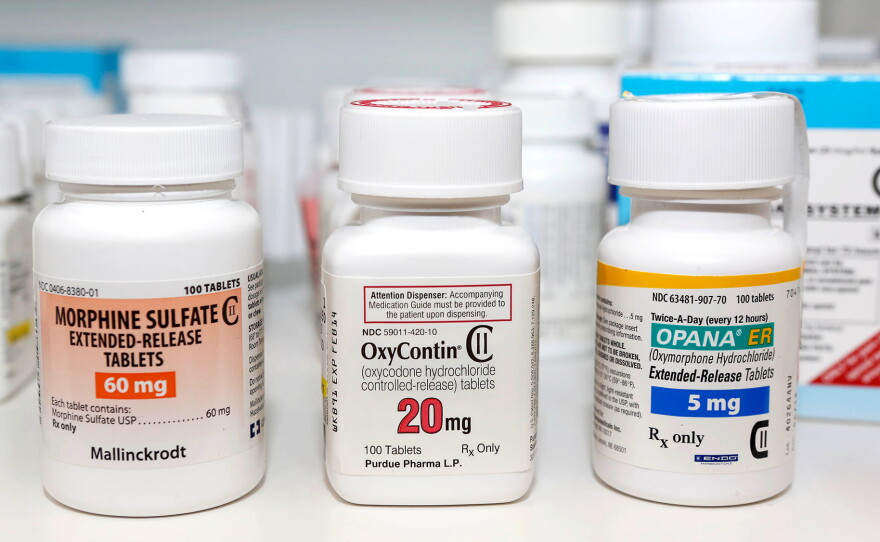
Brand-name Opana ER was discontinued in 2017 after the U.S. Food and Drug Administration requested its removal from the market. This action occurred because the drug’s abuse-deterrent formulation led users to inject it intravenously. This practice caused severe outbreaks of HIV and Hepatitis C driven by needle sharing, and was associated with thrombotic microangiopathy, a serious blood disorder. Endo Pharmaceuticals voluntarily complied, though generic oxymorphone remains legally available.
WHAT IS THE OPANA DISCONTINUATION?
The discontinuation refers to the 2017 market withdrawal of the brand-name extended-release oxymorphone tablet manufactured by Endo Pharmaceuticals. To understand the broader context, you can read our complete Opana uses and risks guide.
The drug was originally approved to treat severe, round-the-clock chronic pain. However, over a decade of clinical use revealed that its high potency made it a prime target for misuse. The withdrawal was not a standard recall due to manufacturing defects. Instead, it was a targeted regulatory action aimed at stopping a specific formulation that was causing catastrophic harm when abused. The FDA determined that the benefits of the brand-name formulation no longer outweighed its overwhelming risks.
WHY THIS HAPPENS (STRUCTURED)
Understanding the discontinuation requires looking at the intersection of pharmaceutical design, human behavior, and regulatory limits.
Wrong habits
When the drug was reformulated to be “abuse-deterrent” (harder to crush and snort), users adapted. Rather than stopping the abuse, they learned to dissolve the sticky matrix and inject the medication intravenously, which proved far more dangerous.
Outdated tools/info
Many individuals struggling with substance use relied on internet forums that taught them how to bypass the new abuse-deterrent technology. These guides failed to mention that injecting manipulated reformulated tablets introduced tablet components into the bloodstream and was associated with serious complications, including thrombotic microangiopathy.
Misunderstanding system
There is a common misunderstanding that if a drug is initially approved, it is permanently safe. In reality, the U.S. Food and Drug Administration continually monitors post-market data, and if a specific formulation causes an unforeseen crisis, they have the authority to request its withdrawal.
External limitations
In many rural areas, access to addiction treatment, clean needle exchanges, and comprehensive medical care was severely limited. This lack of infrastructure allowed the rapid spread of infectious diseases associated with the injected form of the drug to go unchecked for years.
ENTITY DEPTH RULE: BRAND-NAME OPANA ER VS. GENERIC OXYMORPHONE
To fully grasp the discontinuation, you must distinguish between the specific brand-name product that was pulled and the chemical compound that remains on the market.
Brand-Name Opana ER (Discontinued)
What it was: The original extended-release oxymorphone tablet formulated with a specific abuse-deterrent polymer. Why it mattered: It was designed to resist crushing, but when dissolved and injected, it was associated with unique, severe medical crises. Who used it: Patients with chronic pain, and unfortunately, a massive population of recreational users. Strengths: Provided reliable, 12-hour pain relief for legitimate patients. If you are exploring options with your doctor, you can read about transitioning to extended-release oxymorphone using safe, generic alternatives. Limitations: The abuse-deterrent mechanism failed catastrophically, leading to its downfall. Beginner suitability: No longer available; beginners should not seek out the brand name.
Generic Oxymorphone (Still Available)
What it is: Standard, immediate-release and extended-release oxymorphone hydrochloride tablets without the specific problematic polymer. Why it matters: It provides pain relief without the specific formulation that triggered the 2017 crisis. Who uses it: Patients with severe chronic pain who require high-potency opioid therapy. Strengths: Highly effective; remains a legal, Schedule II pharmaceutical. Limitations: Generic oxymorphone contains the same active ingredient but may have different inactive ingredients and formulations depending on the manufacturer. To understand its relative danger, read about how strong Opana is compared to other opioids. Beginner suitability: Strictly for opioid-tolerant patients under heavy medical supervision.
MAIN SEO SECTION: THE FULL FDA STORY EXPLAINED
The removal of Opana ER from the market is one of the most significant regulatory actions in modern pharmaceutical history. Here is the complete breakdown of how and why it happened.
The 2012 Reformulation
In 2012, Endo Pharmaceuticals faced mounting pressure as the original Opana ER became a heavily abused street drug. Users were easily crushing the pills into a powder and snorting them to achieve an immediate, euphoric high. To combat this, Endo reformulated the pill using a polyethylene oxide polymer. The new pill was hard, gummy, and turned into a sticky gel when exposed to water. Endo heavily marketed this as an “abuse-deterrent” breakthrough.
The Unintended Consequences
The abuse-deterrent technology worked in one sense—users stopped snorting it. However, human behavior adapted dangerously. Users discovered that by microwaving the pills and crushing them with specialized tools, they could extract the oxymorphone. Because the gel was incredibly difficult to dissolve, they used harsh chemicals and extreme heat to create an injectable liquid.
Injecting this substance proved vastly more dangerous than snorting the original formulation. Injection of manipulated reformulated Opana ER was associated with thrombotic microangiopathy, a serious condition involving damage to small blood vessels and organ injury.
The 2015 Public Health Crisis
The crisis peaked around 2015 in rural Scott County, Indiana. The outbreak was driven by injection drug use and needle sharing, with reformulated Opana ER playing a central role in the local injection drug epidemic. The Centers for Disease Control and Prevention (CDC) stepped in to investigate, identifying over 180 new HIV cases linked to these unsafe injection practices.
The 2017 FDA Action
In 2017, the U.S. Food and Drug Administration took an unprecedented step. Historically, the agency only requested drug withdrawals when a medication was inherently toxic at therapeutic doses. However, the FDA convened an advisory committee to evaluate the impact of Opana ER. The committee voted 18 to 8 that the benefits of the drug no longer outweighed its risks.
FDA Commissioner Scott Gottlieb stated that the reformulation had “shifted the route of abuse from snorting to injecting,” which had devastating consequences. The FDA formally requested that Endo Pharmaceuticals voluntarily remove Opana ER from the market. Endo complied, discontinuing the brand-name drug.
HOW TO FIX / IMPROVE PAIN MANAGEMENT
If you or a loved one were affected by the discontinuation, navigating the aftermath requires a structured approach.
First: Foundation setup
Work with your doctor to transition to a generic alternative. Generic oxymorphone does not contain the specific polymer associated with the 2017 crisis. Ensure your medical records clearly document your pain levels and opioid tolerance to establish a safe baseline for the new prescription.
Next: Fix mistakes and habits
If you are struggling to find the medication locally, do not turn to unregulated street markets, which are flooded with dangerous counterfeits. Patients who order medication online must verify that they are using licensed, certified digital pharmacies that require a valid prescription.
Finally: Improve system/tools/strategy
Use this transition as an opportunity to improve your overall pain strategy. If you are experiencing negative reactions to the generic switch, review our guide on Opana side effects to manage symptoms safely. Work with a pain specialist to integrate physical therapy or nerve blocks, allowing you to rely on lower, safer doses of opioids.
COMMON PROBLEMS & FIXES (MINIMUM 3)
Problem: Confusion Over Availability
Many patients go to the pharmacy expecting brand-name Opana ER and are confused when told it is unavailable, assuming the pharmacist made an error.
Fix:
Understand that only the brand-name ER was discontinued. Ask your doctor to prescribe generic oxymorphone hydrochloride, which is fully legal and manufactured in both immediate-release and extended-release forms.
Problem: Insurance Denials for Generics
Because oxymorphone is a high-potency, expensive opioid, some insurance companies may deny coverage or require prior authorization, causing gaps in pain treatment.
Fix:
Have your prescribing doctor write a detailed letter of medical necessity explaining that you require this specific high-potency opioid because alternative, weaker medications have failed to manage your severe pain.
Problem: Fear of Drug Safety
Patients who read about the 2017 HIV outbreak often fear that taking generic oxymorphone will give them a blood disorder.
Fix:
Understand the science. The blood disorder was associated with injecting manipulated reformulated tablets, which introduced specific tablet components into the bloodstream. Taking the generic pill orally, as prescribed, does not introduce these components into your bloodstream.
PRO TIPS (3–5)
1. Verify Your Pharmacy: In the wake of a major drug discontinuation, illicit markets surge. Always verify that your pharmacy is licensed and dispensing FDA-approved generic oxymorphone, not unregulated substitutes.
2. Monitor for Withdrawal During Transitions: When switching from the brand name to a generic, the body may absorb the medication slightly differently. If you feel early withdrawal symptoms, reference our drug test guide for Opana clearance to understand how the drug transitions in your system, and consult your doctor.
3. Never Alter Generic ER Pills: Just because the generic extended-release pill does not have the same abuse-deterrent polymer does not mean it is safe to crush. Breaking an ER pill still causes a massive, 12-hour dose to hit your body instantly, risking fatal respiratory depression.
4. Keep Naloxone Accessible: Regardless of the formulation, oxymorphone remains one of the strongest oral opioids available. Keep a naloxone nasal spray kit in your home and ensure your family knows how to use it in case of an accidental overdose.
SAFETY & BEST PRACTICES
Safety with high-potency opioids requires absolute honesty and strict adherence to medical guidelines. The discontinuation of Opana ER serves as a stark reminder of how unpredictable and dangerous these medications can be, even when taken as prescribed.
Disclaimer: This content is for educational purposes and does not replace medical advice. Always consult a licensed healthcare provider regarding prescription changes or pain management strategies.
These risks and the necessity for strict oversight are consistent with clinical guidance from major health authorities such as the CDC and FDA. Never share your medication, and never attempt to alter the pills. If the side effects become unmanageable, communicate with your medical team immediately. Maintain honest expectations: opioid therapy is meant to reduce pain to a manageable level, not eliminate it entirely. Prioritize your long-term health and rely on professional medical guidance rather than historical anecdotes about discontinued formulations.
MEDICAL SOURCES
- U.S. Food and Drug Administration — FDA requests removal of Opana ER for risks related to abuse (2017)
- Centers for Disease Control and Prevention — HIV Outbreak in Scott County, Indiana (2015)
- FDA Advisory Committee Meeting Documents — Drug Safety and Risk Management Advisory Committee (2017)
RELATED GUIDES
- Opana Uses and Risks Guide (Pillar Page)
- How Strong Is Opana Compared to Other Opioids?
- Opana Side Effects: Short-Term vs Long-Term Risks Explained
- How Long Does Opana Stay in Your System? (Drug Test Guide)
- Pain Management Alternatives: Beyond Opioid Therapy
FAQ (EXACTLY 5)
Is Opana completely banned in the US? No, Opana is not completely banned. Only the brand-name extended-release formulation was discontinued in 2017. Generic oxymorphone, in both immediate-release and extended-release forms, is still legally manufactured and prescribed for severe pain.
Can you still get prescribed Opana ER? You cannot get the brand-name Opana ER, but you can get prescribed generic extended-release oxymorphone. Generic oxymorphone contains the same active ingredient but may have different inactive ingredients and formulations depending on the manufacturer.
What disease was associated with injected Opana ER? Injection of manipulated reformulated Opana ER was associated with thrombotic microangiopathy, a serious condition involving damage to small blood vessels and organ injury. Additionally, the outbreak of HIV and Hepatitis C was driven by injection drug use and needle sharing.
Why did the FDA recall Opana but not other opioids? The U.S. Food and Drug Administration took action specifically against Opana ER because its unique abuse-deterrent formulation inadvertently shifted user behavior from snorting to intravenous injection. This specific injection method caused unique, severe consequences that other opioids on the market did not have.
Is generic oxymorphone safer than the discontinued Opana? Generic oxymorphone does not carry the specific risk of thrombotic microangiopathy associated with the injected polymer of the brand-name pill. However, it is still a highly potent Schedule II opioid with the same standard risks of respiratory depression, addiction, and overdose as other strong opioids.
CONCLUSION
The discontinuation of brand-name Opana ER is a complex chapter in modern pain management, driven by an abuse-deterrent formulation that ultimately caused more harm than it prevented. By understanding the full regulatory story, patients can see that the drug was not pulled due to a lack of efficacy, but rather due to catastrophic health consequences tied to its misuse. While generic oxymorphone remains a legal and effective option for severe pain, its high potency demands deep respect. Always rely on professional medical guidance, avoid dangerous habits, and use this history as a practical reminder of the serious responsibilities that come with opioid therapy.
