
Blog
Opana: Uses, Effects, Risks & What You Need to Know (2026 Guide)
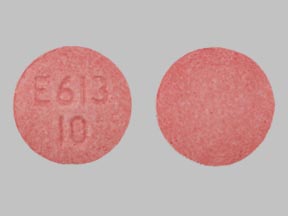
Jul
Opana is a highly potent prescription opioid used to manage severe pain when other treatments have failed. Many individuals face confusion and anxiety when prescribed a strong painkiller, often worrying about side effects, dependence, and how to use the medication safely. This usually happens because pain management instructions can feel overwhelming, and outdated internet forums often provide misleading information. This guide breaks down everything you need to know about Opana in a practical, grounded way. You will learn how the medication works, its true side effect profile, hidden risks, and safe usage practices. Whether you are a patient or simply researching treatment options to understand medications safely, this Opana guide provides the realistic clarity you need.
QUICK ANSWER (FEATURED SNIPPET)
Opana (oxymorphone) is a powerful prescription opioid analgesic used to treat severe, continuous pain. It works by binding to specific receptors in the brain and spinal cord to alter the body’s perception of pain. The fastest way to ensure safety is to take the medication exactly as prescribed, never crush or break the pills, and maintain open communication with your prescribing doctor.
WHAT IS OPANA?
Opana is the brand name for oxymorphone, a semi-synthetic opioid analgesic derived from thebaine, a compound found in the opium poppy. It is classified as a Schedule II controlled substance in the United States, meaning it has a recognized medical use but carries a very high risk of severe psychological or physical dependence.
Unlike milder painkillers like codeine or tramadol, Opana is reserved for situations where round-the-clock pain relief is required, and alternative treatments are insufficient. It comes in two primary forms: Immediate-Release (IR) for sudden breakthrough pain, and Extended-Release (ER) for continuous, chronic pain management. When patients require steady, all-day relief, doctors often prescribe Opana ER to maintain stable blood levels of the medication.
People use Opana because it is highly effective at managing pain that does not respond to weaker medications, such as severe lower back injuries, post-surgical recovery, or pain associated with serious medical conditions. By acting directly on the central nervous system, it provides significant relief, allowing individuals to regain basic daily functionality.
IS OPANA LEGAL / WHY WAS IT DISCONTINUED?
One of the most common points of confusion surrounding this medication is its legal status and availability.
Is Opana still prescribed? Yes, generic oxymorphone is still legally prescribed in the United States and several other countries. It remains a Schedule II drug, strictly regulated by the DEA. Doctors can still prescribe it for severe pain, and pharmacies still stock both immediate-release and extended-release generic versions.
Why was the brand-name Opana ER discontinued? The original brand-name Opana ER was voluntarily discontinued by its manufacturer, Endo Pharmaceuticals, in 2017. This was not because the drug was ineffective, but rather due to a massive public health crisis surrounding its formulation.
In 2012, Endo reformulated Opana ER to make it “abuse-deterrent” by making the pills harder to crush and snort. However, this change had unintended consequences. Users who were trying to bypass the abuse-deterrent properties began crushing and injecting the medication intravenously instead of snorting it. This led to a massive outbreak of HIV and Hepatitis C in rural communities, as well as a dangerous blood disorder called thrombotic microangiopathy (TTP), caused by the particles in the injected pills blocking small blood vessels.
Regulatory actions In 2017, the FDA took the unprecedented step of formally requesting that Endo Pharmaceuticals remove the original Opana ER from the market, citing that the public health risks outweighed the benefits. Endo complied. Today, the brand name is largely gone, but generic oxymorphone hydrochloride remains a legal, though highly monitored, medical treatment.
DOSAGE & STRENGTH GUIDE
Understanding dosage is critical because oxymorphone is significantly more potent milligram-for-milligram than many other opioids. Dosing depends entirely on whether the patient is opioid-naive (has never taken opioids before) or opioid-tolerant.
Opana Dosage Table
| Formulation | Available Strengths | Typical Starting Dose | Onset of Action | Duration of Relief |
|---|---|---|---|---|
| Immediate-Release (IR) | 5 mg, 10 mg | 5 mg every 4-6 hours | 20 – 30 minutes | 4 to 6 hours |
| Extended-Release (ER) | 10 mg, 20 mg, 40 mg | 10 mg every 12 hours | 1 hour | 12 hours |
Immediate-Release (IR) Dosages Generic oxymorphone IR is typically prescribed in 5 mg and 10 mg tablets. The 5 mg dose is usually the starting point for opioid-naive patients, taken every 4 to 6 hours as needed for acute pain. The 10 mg dose is prescribed for patients who have built a tolerance to opioids and need stronger breakthrough pain relief.
Extended-Release (ER) Dosages Extended-release oxymorphone is designed for 12-hour relief and comes in several strengths, including 10 mg, 20 mg, and 40 mg. The 10 mg and 20 mg doses are standard starting points for patients transitioning from other opioids.
What “Opana 40” Means The term “Opana 40” refers to the discontinued brand-name 40 mg extended-release pill, which was recognizable by its shape and color. Because of its high dose, it became highly sought after for illicit use. Today, “Opana 40” remains a trending keyword as individuals search for information about its potency and history. When patients require high-dose pain management, they should only obtain medication through licensed digital pharmacies with a valid prescription to ensure safety and authenticity.
OPANA VS OTHER OPIOIDS (COMPARISON SECTION)
To truly understand Opana, it helps to compare it against other common opioids using standardized morphine milligram equivalent (MME) metrics. For a deeper dive into how these medications stack up against each other, you can read our comprehensive guide on how strong Opana is compared to other opioids.
Opana vs Oxycodone Both are semi-synthetic opioids, but Opana (oxymorphone) is significantly stronger. Roughly 10 mg of oral oxymorphone is equivalent to about 20 mg of oral oxycodone.
| Feature | Opana (Oxymorphone) | Oxycodone |
|---|---|---|
| Potency (Oral) | High (Baseline) | Moderate (Half as potent) |
| Metabolism | UGT enzymes (Fewer interactions) | CYP450 enzymes (More interactions) |
| Histamine Release | Lower | Moderate |
| Primary Use | Severe, chronic continuous pain | Moderate to severe pain |
Opana has a higher milligram potency, meaning patients need a smaller physical amount of the pill to achieve the same level of pain relief. Additionally, because Opana does not rely on the CYP450 liver enzyme system for metabolism the way oxycodone does, Opana is less likely to have dangerous drug interactions.
Opana vs Morphine Morphine is the gold standard opioid to which all others are compared.
| Feature | Opana (Oxymorphone) | Morphine |
|---|---|---|
| Potency (Oral) | Roughly 3x stronger | Baseline |
| Itching (Pruritus) | Less common | Very common |
| Bioavailability | ~10% | ~30% |
| Use in Renal Impairment | Use with caution | Generally safe but metabolites accumulate |
Oral Opana is roughly three times more potent than oral morphine. A 10 mg dose of Opana IR provides relief equivalent to 30 mg of morphine. Furthermore, morphine is notorious for causing histamine release, leading to itching and hives in many patients. Opana causes significantly less histamine release, making it a better option for patients who experience severe itching on morphine.
SIDE EFFECTS (DEDICATED SECTION)
Opana alters the central nervous system, and its side effects can range from uncomfortable to medically dangerous.
Common Side Effects
- Constipation: Nearly universal. Opana slows the digestive tract significantly.
- Nausea and Vomiting: Very common when first starting the medication, though it often subsides as tolerance builds.
- Drowsiness and Sedation: Heavy fatigue is normal and makes operating machinery dangerous.
- Dizziness: Especially when standing up quickly, due to blood pressure changes.
Severe Side Effects
- Respiratory Depression: The most dangerous effect. Breathing can slow to life-threatening levels, especially if the dose is too high.
- Severe Hypotension: A dangerous drop in blood pressure that can lead to fainting or shock.
- Adrenal Insufficiency: Long-term use can suppress the adrenal glands, leading to chronic fatigue, weakness, and low cortisol levels.
Long-Term Effects Chronic use of Opana leads to physical dependence, meaning the body requires the drug just to function normally. Long-term use can also alter pain perception, causing hyperalgesia—a condition where a person actually becomes more sensitive to pain over time. Cognitive fog and chronic dry mouth (which leads to severe tooth decay) are also persistent long-term issues.
IS OPANA ADDICTIVE?
Yes, Opana is highly addictive. As a Schedule II opioid, it carries one of the highest risks for abuse and dependence recognized by medical authorities. Addiction to Opana can develop rapidly, even when taken exactly as prescribed, due to the way the drug physically rewires the brain’s reward and pain perception pathways.
Opana addiction manifests in two distinct ways: physical dependence and psychological dependence. Physical dependence occurs when the body adapts to the drug’s presence. If the medication is stopped abruptly, the body goes into shock, resulting in agonizing opioid withdrawal symptoms.
Psychological dependence is characterized by compulsive drug-seeking behavior. Because Opana numbs both physical and emotional pain, users may begin taking it to cope with daily stress rather than just physical pain. Overcoming Opana addiction usually requires comprehensive medical intervention, gradual tapering protocols, and the exploration of pain management alternatives to address the root cause of the pain without relying on opioids.
HOW TO TAKE OPANA SAFELY
Taking Opana safely requires strict adherence to medical guidelines. Because it is a highly potent opioid, even small deviations from your doctor’s instructions can lead to severe consequences.
With or Without Food Opana should generally be taken on an empty stomach, at least one hour before or two hours after eating. Taking Opana with a high-fat meal can significantly increase the amount of the drug absorbed into your bloodstream, which drastically raises the risk of a fatal overdose.
Avoid Alcohol and Benzos Never consume alcohol while taking Opana. Even a small amount of alcohol can trigger a rapid, fatal release of the medication. You must also avoid benzodiazepines (like Xanax or Valium) and other CNS depressants unless a doctor is specifically managing the combination.
What to Do If You Miss a Dose If you miss a dose, take it as soon as you remember. However, if it is close to the time for your next scheduled dose, skip the missed dose entirely. Never take two doses at once to make up for a missed one, as this will cause a toxic spike in oxymorphone levels.
Storage and Disposal Store Opana in a securely locked cabinet or lockbox, out of reach of children and pets. Because it is a highly targeted drug for theft, keep it discreet. If you have leftover medication, utilize a local drug take-back program. If one is unavailable, flush the pills down the toilet according to FDA guidelines, as throwing them in the trash poses a fatal risk to others.
Driving Warnings Do not drive a vehicle or operate heavy machinery until you know exactly how Opana affects you. The medication causes significant drowsiness, delayed reaction times, and impaired judgment, making driving highly dangerous when you first start the medication or after a dosage increase.
OPANA DRUG INTERACTIONS
Opana is metabolized in the liver and heavily depresses the central nervous system, making it prone to dangerous interactions with other substances.
Benzodiazepines (Fatal Risk) Combining Opana with benzodiazepines (such as Klonopin, Ativan, or Xanax) is extremely dangerous. Both drugs depress the central nervous system, and combining them multiplies this effect, drastically increasing the risk of fatal respiratory depression.
Alcohol Alcohol interacts fatally with Opana, especially the extended-release formulation. Alcohol can cause the extended-release matrix to fail, dumping a 12-hour dose into the bloodstream simultaneously.
CNS Depressants Other CNS depressants, including muscle relaxants, sedative antihistamines, and sleep aids (like Ambien), will compound the sedative effects of Opana. This can lead to extreme lethargy, unconsciousness, and stopped breathing.
SSRIs and Serotonin Syndrome While rare, Opana can interact with certain antidepressants, particularly SSRIs and SNRIs, leading to a condition called serotonin syndrome. If you take medications for depression or anxiety, ensure your doctor monitors you for symptoms like rapid heart rate, sweating, and confusion.
Other Opioids Do not mix Opana with other prescription opioids unless explicitly directed by a doctor. Stacking opioids (for example, taking Opana ER for baseline pain and a different immediate-release opioid for breakthrough pain) requires careful medical calculation to prevent accidental overdose.
OPANA WITHDRAWAL & DETOX
If you depend on Opana, suddenly stopping the medication triggers a painful and exhausting withdrawal process.
Timeline
- 6–12 Hours: Early symptoms begin. You will feel anxious, restless, and start sweating. Muscle aches and a runny nose are common.
- 24–72 Hours: Peak withdrawal hits. This phase includes severe vomiting, diarrhea, stomach cramps, dilated pupils, and extreme insomnia.
- 5–7 Days: Physical symptoms begin to fade, but psychological symptoms like anxiety, depression, and drug cravings persist.
- Weeks to Months: Post-acute withdrawal syndrome (PAWS) can occur, featuring chronic fatigue and mood swings.
Symptoms by Phase Early withdrawal feels like a severe flu. Peak withdrawal is physically exhausting and heavily dehydrating. Late withdrawal is primarily psychological, testing your mental resilience.
Why Tapering Matters Quitting “cold turkey” is rarely recommended for strong opioids. Doctors prefer a tapering schedule, where your Opana dose is slowly reduced by 10% to 25% every few days. This allows your brain chemistry to adjust gradually, preventing the shock of sudden withdrawal. For a deeper understanding, review our comprehensive opioid withdrawal guide.
When to Seek Help If you experience severe dehydration from vomiting and diarrhea, irregular heartbeats, or extreme suicidal thoughts during withdrawal, seek medical help immediately. Medical detox programs can provide medications to ease symptoms and ensure your safety.
OPANA OVERDOSE: SIGNS & EMERGENCY RESPONSE
An Opana overdose is a life-threatening medical emergency. Because oxymorphone is highly potent, the line between a therapeutic dose and a fatal dose is thin.
Signs of an Overdose
- Slow or stopped breathing: Breathing may drop below 10 breaths per minute or stop entirely.
- Blue lips and fingertips: A sign of oxygen deprivation.
- Extreme unresponsiveness: The person cannot be woken up or will not respond to stimuli.
- Pinpoint pupils: The pupils shrink to the size of a pinhead.
- Limp body: Muscles become completely relaxed.
Emergency Response If you suspect an overdose, call 911 immediately. If you have access to naloxone (Narcan), administer it right away. Naloxone is an opioid antagonist that rapidly binds to opioid receptors, knocking the Opana off and reversing the respiratory depression. You may need to administer multiple doses of naloxone because Opana is long-acting and can outlast the naloxone. Perform rescue breathing if the person is not breathing, and keep them awake on their side until paramedics arrive to prevent choking.
WHY THIS HAPPENS (STRUCTURED)
Understanding opioid therapy means understanding why complications or misuse occurs.
Wrong habits Patients sometimes double up on doses if they feel the pain returning sooner than expected. This wrong habit drastically increases the risk of respiratory depression and accidental overdose, as the body cannot safely process the excess medication.
Outdated tools/info Many people still rely on outdated internet forums that suggest opioids can be crushed for faster relief. This information is not only false but lethal, especially with extended-release formulations designed to release slowly over 12 hours.
Misunderstanding system There is a common misunderstanding of how opioid tolerance works. Users often assume that if they feel very drowsy, the medication is working perfectly. In reality, heavy drowsiness is a warning sign of overdosage, not effective pain management.
External limitations Access to comprehensive pain clinics and consistent medical oversight is limited in many areas. This lack of professional guidance leaves patients to manage complex medication schedules on their own, increasing the likelihood of errors.
ENTITY DEPTH RULE: OPANA IR VS. OPANA ER
To fully understand Opana, you must know the functional difference between its two main formulations.
Opana IR (Immediate-Release)
- What it is: A fast-acting tablet designed to manage acute, sudden bursts of pain.
- Why it matters: It provides relief within 20 to 30 minutes, making it useful for sudden injuries or post-surgical spikes in pain.
- Who uses it: Patients recovering from surgery or those dealing with unpredictable, severe pain episodes.
- Strengths: Rapid onset of action; highly effective for immediate trauma or breakthrough pain.
- Limitations: Requires dosing every 4 to 6 hours, which can be inconvenient and lead to fluctuating pain levels.
- Beginner suitability: Suitable for short-term use under strict medical supervision. Beginners should be cautious of the rapid onset of side effects like dizziness.
Opana ER (Extended-Release)
- What it is: A long-acting formulation designed to provide continuous, 24-hour pain relief.
- Why it matters: It allows patients with chronic conditions to sleep through the night and function during the day without constantly watching the clock for their next dose.
- Who uses it: Patients with chronic, long-term pain conditions who require stable, around-the-clock opioid therapy.
- Strengths: Only requires dosing twice a day (every 12 hours); provides steady blood plasma levels without extreme peaks and valleys.
- Limitations: Extremely dangerous if broken, crushed, or chewed, as this destroys the slow-release mechanism and causes a massive, potentially fatal dose to hit the body at once.
- Beginner suitability: Generally reserved for patients who have already built an opioid tolerance. Beginners or opioid-naive individuals should not take extended-release opioids due to the high risk of fatal respiratory depression.
SAFER ALTERNATIVES TO OPANA
Because of the high risks associated with Opana, the medical community in 2026 heavily emphasizes exploring alternative treatments before resorting to strong opioids.
Non-Opioid Medications Over-the-counter options like NSAIDs (ibuprofen, naproxen) and acetaminophen are highly effective for mild to moderate pain. For nerve-specific pain, medications like gabapentin or pregabalin target nerve signals without carrying the addiction risks of opioids.
Interventional Pain Therapies Instead of systemic pills, doctors increasingly use localized treatments. Corticosteroid injections, nerve blocks, and epidural injections deliver pain relief directly to the source, bypassing the brain and significantly reducing side effects.
Physical Therapy and Rehabilitation Active rehabilitation is one of the most effective long-term pain management alternatives. Strengthening the muscles around injured joints, improving flexibility, and correcting posture can eliminate the root cause of chronic pain rather than just masking it.
Other Opioids (Controlled Use) If an opioid is necessary, doctors may opt for weaker, shorter-acting opioids like tramadol or low-dose hydrocodone, which carry a slightly lower risk profile and are easier to taper off when treatment ends.
MAIN SEO SECTION: USES, RISKS & WHAT YOU NEED TO KNOW (2026)
Uses of Opana Opana is not a general headache pill. Its primary medical use is strictly for the management of severe pain that requires daily, around-the-clock, long-term opioid treatment. Doctors typically prescribe it when alternative options—such as non-opioid pain relievers, physical therapy, or immediate-release opioids—are no longer sufficient. Common scenarios include managing pain from severe osteoarthritis, complex regional pain syndrome, or recovering from major surgical procedures. Because of its potency, Opana is also used in palliative care to keep terminal patients comfortable.
Risks of Opana The risks associated with Opana are severe. The most immediate danger is respiratory depression. Opana slows down the breathing centers in the brain. If the dose is too high, breathing can slow to a fatal rate.
Physical dependence and addiction are also major risks. Within just a few weeks of regular use, the brain adapts to the presence of the drug. Stopping suddenly will result in severe withdrawal symptoms. Furthermore, Opana interacts dangerously with other substances. Mixing it with alcohol, benzodiazepines, or certain sleep aids multiplies the central nervous system depression, leading to a high risk of fatal overdose.
What You Need to Know (2026 Context) In 2026, the landscape of pain management has shifted. There is a stronger emphasis on combining opioid therapy with non-pharmacological treatments like cognitive behavioral therapy and targeted physical rehabilitation. If you are taking Opana, you need to know that strict monitoring is the standard. Doctors expect patients to adhere strictly to their schedules without deviation. Additionally, the presence of naloxone (Narcan) in the home is now considered a standard safety measure for anyone prescribed high-dose opioids.
HOW TO FIX / IMPROVE PAIN MANAGEMENT
Managing severe pain with Opana requires a structured, proactive approach.
First: Foundation setup Start with a solid baseline. Keep a detailed pain journal documenting when you take your medication, your pain levels before and after, and any side effects you notice. This data is invaluable for your doctor to adjust your dosage correctly. Ensure your medication is stored securely in a lockbox to prevent accidental ingestion by children or pets.
Next: Fix mistakes and habits Stop any habits that increase your risk profile. Never consume alcohol while taking Opana. Avoid consuming grapefruit or grapefruit juice, as it can inhibit the enzymes that metabolize the drug, leading to a dangerous buildup of oxymorphone in your bloodstream. Do not break, chew, or crush your pills. If you feel the medication is not working as well as it used to, do not increase your dose yourself; speak to your doctor about tolerance management.
Finally: Improve system/tools/strategy Optimize your overall treatment strategy by integrating non-drug therapies. Heat and cold therapy, gentle stretching, and nerve stimulation devices can complement Opana, allowing you to rely on lower, safer doses. Set up a clear tapering plan with your doctor for when your pain condition improves, ensuring you never have to face the shock of sudden withdrawal.
COMMON PROBLEMS & FIXES (MINIMUM 3)
Problem: Rapidly Increasing Tolerance Over time, patients often notice that the same dose of Opana no longer provides the same level of relief, leading to frustration and the temptation to take extra pills. Fix: Do not increase your dosage. Contact your prescribing doctor immediately. They may recommend a “drug holiday” (a carefully monitored break from the medication), adjusting your dosing schedule, or adding a non-opioid adjuvant medication to work alongside the Opana.
Problem: Severe Opioid-Induced Constipation Opioids significantly slow the digestive system, causing hard, painful stools and severe bloating that can become a medical emergency if left untreated. Fix: Take a proactive approach to gastrointestinal health. Increase your daily water intake significantly and incorporate high-fiber foods into your diet. If lifestyle changes are not enough, ask your doctor about prescribing a specific opioid-induced constipation medication, which targets the exact receptors in the gut causing the blockage.
Problem: Overwhelming Fatigue and Brain Fog Many patients feel so drowsy or mentally cloudy on Opana that they struggle to perform basic daily tasks or safely operate a vehicle. Fix: Evaluate your timing. If you are taking Opana ER, ask your doctor if you can take it right before bed so the peak drowsiness occurs while you are sleeping. Avoid combining the medication with antihistamines or sleep aids, which compound the sedative effect. If the fog persists, your doctor may need to lower your dose or switch you to a different pain management protocol.
PRO TIPS (3–5)
- Naloxone is Mandatory: Keep a naloxone nasal spray kit accessible and ensure your family members know how to use it. In 2026, this is not paranoia; it is standard harm-reduction practice for anyone utilizing potent opioids.
- Never Mix with Liver-Stressing Substances: Oxymorphone is processed by the liver. Avoid taking it alongside over-the-counter medications containing acetaminophen in large doses, and avoid herbal supplements that stress liver function without a doctor’s clearance.
- Monitor for Low Blood Pressure: Opana can cause orthostatic hypotension—a sudden drop in blood pressure when you stand up. To avoid fainting, rise slowly from a sitting or lying position, keeping something sturdy to hold onto nearby.
- Protect Your Dental Health: Chronic opioid use often causes dry mouth, which rapidly accelerates tooth decay. Drink water frequently, use a hydrating mouthwash, and maintain strict dental hygiene routines while on Opana.
SAFETY & BEST PRACTICES
Safety with Opana requires absolute honesty and strict adherence to boundaries. The reality of this medication is that it leaves very little room for error.
Responsible usage means keeping all follow-up appointments and submitting to any drug monitoring your doctor requires. Never share your medication with anyone else, even if they are experiencing similar pain. What is a safe, tolerable dose for you could be a fatal dose for someone without opioid tolerance.
Privacy and security concerns are also relevant. When obtaining your medication, be extremely cautious of unverified digital channels. Sourcing pharmaceuticals from questionable origins can result in receiving counterfeit pills laced with deadly synthetic opioids like fentanyl. It is vital to use a trusted source for your medical needs to ensure the integrity of the medication you are taking.
Maintain honest expectations. Opana will not eliminate your pain completely; the goal of opioid therapy is to reduce pain to a manageable level that allows you to function. Expecting zero pain often leads to dangerous dosage escalations. Stay grounded, communicate with your medical team, and prioritize long-term health over immediate, temporary relief.
RELATED GUIDES
- Opana for Beginners: How to Start Opioid Therapy Safely
- Common Problems with Extended-Release Pain Medications
- Opioid Addiction Guide: Recognizing the Signs of Dependence
- Pain Management Alternatives: Beyond Opioid Therapy
- Understanding Opioid Withdrawal Symptoms and Safe Tapering
- Beginner Setup Guide for Post-Surgical Pain Relief
FAQ (EXACTLY 8)
What is Opana used for? Opana is used for the management of severe, continuous pain that requires daily, around-the-clock opioid treatment, such as pain from major surgery, severe injuries, or chronic conditions when other treatments fail.
Is Opana stronger than oxycodone? Yes. Opana (oxymorphone) is roughly twice as potent as oxycodone milligram-for-milligram. A 10 mg dose of Opana provides pain relief equivalent to about 20 mg of oxycodone.
Can you cut Opana pills? No. You should never cut, crush, break, or chew Opana pills, especially the extended-release formulation. Breaking the pill destroys the slow-release mechanism, causing a massive and potentially fatal dose to enter the bloodstream at once.
Why was Opana ER banned? The FDA requested the removal of brand-name Opana ER in 2017 after its abuse-deterrent formulation led users to inject the drug intravenously, causing outbreaks of HIV and Hepatitis C, as well as a severe blood disorder.
Is oxymorphone still prescribed? Yes, while the brand-name Opana ER was discontinued, generic oxymorphone is still legally manufactured and prescribed as a Schedule II controlled substance for severe pain.
How long does Opana stay in your system? Immediate-release Opana generally stays in the blood for about 4 to 6 hours, while extended-release lasts up to 12 hours. However, oxymorphone can be detected in urine drug tests for 2 to 4 days after the last dose.
Can Opana cause overdose? Yes, Opana can cause a fatal overdose, primarily through severe respiratory depression. The risk is drastically higher if the pill is crushed, chewed, or mixed with alcohol or benzodiazepines.
What are the first signs of an Opana overdose? The first signs include extreme drowsiness, confusion, pinpoint pupils, slow or shallow breathing, and loss of consciousness. If these occur, administer naloxone immediately and call 911.
CONCLUSION
Managing severe pain is a complex challenge, and Opana remains one of the most powerful tools available for patients who have exhausted other options. However, its potency demands deep respect, strict adherence to medical guidelines, and a clear understanding of how it alters the body. By knowing the uses, recognizing the side effects, and mitigating the serious risks of respiratory depression and dependence, patients can navigate their treatment safely. Always rely on professional medical guidance, avoid dangerous habits, and use this 2026 guide as a realistic foundation for understanding Opana and your long-term health.
