
Uncategorized
Crystal Meth Smoking Techniques: Risks, Effects & What You Need to Know
Aug
Introduction
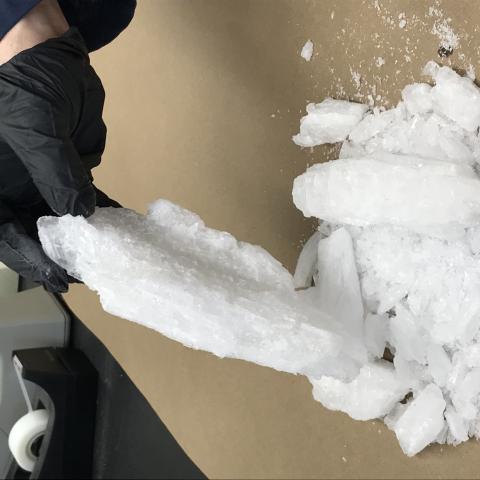
Crystal methamphetamine is a powerful and highly addictive stimulant. Smoking is one of the ways methamphetamine can be consumed, and it can produce effects rapidly because the drug reaches the bloodstream through the lungs.
However, there is an important distinction between understanding how smoking meth affects the body and providing instructions for how to smoke it. There is no safe smoking technique for crystal meth, and explaining equipment, preparation, temperatures, inhalation methods, or ways to maximize the effects could increase the risk of harm.
This guide focuses instead on what happens when meth is smoked, why the route of administration can be particularly risky, warning signs of complications, addiction concerns, and safer steps for someone who wants to stop or reduce their use.
What Happens When Crystal Meth Is Smoked?
When methamphetamine is inhaled, the drug can enter the bloodstream quickly through the lungs. This rapid delivery can produce an intense stimulant effect.
Common short-term effects can include:
- Increased alertness and energy
- Elevated heart rate
- Increased blood pressure
- Reduced appetite
- Increased body temperature
- Restlessness or agitation
- Increased confidence or euphoria
- Reduced need for sleep
- Anxiety and irritability
The rapid onset can also reinforce repeated use. A person may begin chasing the initial effects, increasing the likelihood of binge patterns and compulsive use. see products detail
Why Smoking Meth Is Dangerous
Smoking crystal meth exposes both the brain and cardiovascular system to a powerful stimulant while also exposing the respiratory system to irritating chemicals and heated substances.
Potential complications include:
1. Cardiovascular Problems
Methamphetamine can place substantial stress on the cardiovascular system. It can increase heart rate and blood pressure and may contribute to abnormal heart rhythms, chest pain, heart attack, or stroke.
The risk can become greater when meth is combined with other stimulants or substances that affect the cardiovascular system.
2. Respiratory Damage
Inhaling heated drug material can irritate the respiratory tract. Repeated exposure may contribute to coughing, chest discomfort, breathing difficulties, and other respiratory problems.
A person experiencing significant difficulty breathing after drug use should seek emergency medical attention.
3. Burns and Injuries
Smoking-related paraphernalia and heated surfaces can cause burns to the lips, mouth, fingers, or surrounding skin. Impaired judgment can make accidental injuries more likely.
4. Severe Anxiety and Paranoia
Meth can strongly affect the brain’s dopamine and other neurotransmitter systems. High doses or prolonged periods without sleep can contribute to:
- Severe anxiety
- Panic
- Suspiciousness
- Paranoia
- Confusion
- Hallucinations
- Aggressive or unpredictable behavior
These effects can sometimes continue after the immediate stimulant effects have worn off.
Meth Psychosis and Sleep Deprivation
One of the most serious psychological complications associated with heavy methamphetamine use is stimulant-induced psychosis.
Symptoms can include hallucinations, delusions, extreme paranoia, disorganized thinking, and severe agitation.
Sleep deprivation can make these symptoms substantially worse. Someone who has been awake for an extended period and is becoming increasingly confused, paranoid, or detached from reality may need urgent professional evaluation.
Does Smoking Meth Make Addiction More Likely?
The speed at which a drug reaches the brain can influence its reinforcing effects. Smoking can produce effects relatively quickly, which may contribute to repeated use and compulsive patterns.
Methamphetamine itself has a high potential for dependence regardless of the route of administration.
Warning signs of problematic use include:
- Using more often than originally intended
- Feeling unable to stop
- Spending increasing amounts of time obtaining or using meth
- Neglecting work, school, relationships, or responsibilities
- Continuing to use despite physical or psychological problems
- Experiencing strong cravings
- Developing tolerance
- Experiencing withdrawal symptoms after stopping
Addiction is a medical condition, not simply a lack of willpower.
What Does Meth Withdrawal Feel Like?
Stopping methamphetamine does not usually produce the same potentially life-threatening withdrawal syndrome associated with some depressant drugs, but withdrawal can still be difficult.
Common symptoms include:
- Extreme fatigue
- Sleeping for long periods
- Increased appetite
- Low mood
- Irritability
- Anxiety
- Difficulty concentrating
- Strong cravings
- Reduced motivation
- Disturbed sleep
Some people experience significant depression during the withdrawal period. Suicidal thoughts require immediate professional attention.
How Long Do Meth Effects Last?
The duration varies according to factors such as the amount used, individual metabolism, frequency of use, sleep deprivation, and whether other substances were taken.
Although the strongest subjective effects eventually diminish, stimulation, insomnia, anxiety, and cardiovascular effects can persist considerably longer.
Repeated use can also create a cycle in which a person continues taking meth to avoid the fatigue and low mood associated with the crash.
Mixing Meth With Other Drugs Can Increase Risk
Combining methamphetamine with other substances can make its effects less predictable.
Particularly concerning combinations may involve other stimulants, substances that affect heart rate or blood pressure, or drugs that significantly alter consciousness.
Alcohol can also complicate judgment and risk assessment. Taking multiple substances does not make meth safer or reliably balance its effects.
Signs of a Methamphetamine Overdose
A suspected stimulant overdose can be a medical emergency.
Potential warning signs include:
- Extremely high body temperature
- Severe agitation or confusion
- Seizures
- Chest pain
- Difficulty breathing
- Fainting or loss of consciousness
- Very rapid or irregular heartbeat
- Severe headache
- Stroke-like symptoms
If these symptoms occur, emergency medical assistance should be sought immediately.
Do not assume someone can simply “sleep it off” when serious symptoms are present.
What About Secondhand Meth Smoke?
People nearby can potentially be exposed to smoke and contaminated surfaces when meth is being used indoors. The exact risk depends on the circumstances, but avoiding environments where meth is being smoked is the safest approach. learn more about this products
Children and other vulnerable people should be kept away from drug-use environments.
Safer Steps If You Are Currently Using Meth
If stopping immediately feels unrealistic, consider talking with a healthcare professional or addiction specialist rather than trying to manage the situation alone.
Helpful steps can include:
- Tell someone you trust. Isolation can make substance use harder to address.
- Get professional support. Addiction specialists can help develop an individualized treatment plan.
- Address sleep and nutrition. Regular food, fluids, and sleep can be important during recovery.
- Avoid mixing substances. Combining drugs can increase unpredictable risks.
- Identify triggers. Certain people, places, emotions, or routines can reinforce cravings.
- Consider behavioral treatment. Evidence-based therapies can help people develop strategies for managing cravings and changing patterns of use.
- Seek urgent help for severe symptoms. Chest pain, seizures, severe confusion, breathing problems, or loss of consciousness require emergency evaluation.
Can You Quit Meth Without Rehab?
Some people stop using methamphetamine with outpatient treatment and community support, while others benefit from residential or medically supervised programs.
There is no single recovery pathway that works for everyone.
A healthcare professional can help determine whether outpatient counseling, intensive treatment, residential care, or another approach is appropriate.
Recovery can involve setbacks, but a return to use does not mean treatment has failed. It can be a signal that the treatment plan needs to be adjusted.
Frequently Asked Questions
Is there a safe way to smoke crystal meth?
No. There is no risk-free method of smoking crystal methamphetamine. The drug can affect the cardiovascular, neurological, respiratory, and psychological systems regardless of technique.
Why does smoking meth produce such a strong effect?
Inhaled substances can reach the bloodstream rapidly through the lungs. The relatively fast onset can contribute to the reinforcing effects of methamphetamine and may increase the risk of repeated use.
Can smoking meth damage the lungs?
Repeated inhalation can irritate the respiratory system and may be associated with respiratory symptoms and other complications. Chest pain or difficulty breathing after meth use requires prompt medical evaluation.
Can smoking meth cause psychosis?
Yes. Methamphetamine can contribute to stimulant-induced psychosis, particularly with heavy or prolonged use and severe sleep deprivation.
Is meth addiction treatable?
Yes. Methamphetamine use disorder can be treated. Behavioral therapies, structured treatment programs, recovery support, and ongoing professional care can all play important roles.
What should I do if someone has a bad reaction to meth?
Treat severe symptoms as a medical emergency. Seek emergency medical assistance if the person has chest pain, difficulty breathing, seizures, severe agitation or confusion, extremely high body temperature, loss of consciousness, or other life-threatening symptoms.
Final Takeaway
There is no genuinely safe “crystal meth smoking technique.” Smoking meth can deliver the drug rapidly while exposing the cardiovascular, respiratory, and nervous systems to significant risks.
Understanding these risks can be an important first step toward making safer decisions. If methamphetamine use has become difficult to control, professional support can help with withdrawal, cravings, mental-health symptoms, and long-term recovery.
Seeking help does not require waiting until the problem becomes severe. Early support can make recovery easier and reduce the chance of serious complications.
