
Uncategorized
Best Ways to Stop Smoking Crack: 9 Steps to Quit Safely and Stay on Track
Aug
Introduction
If you are dealing with crack cocaine addiction, you are not alone. This is a common struggle, and it usually happens because the drug forcefully alters the brain’s reward system, making it incredibly hard to stop on your own. Many people face this due to trauma, stress, or environmental triggers. In this guide, you will learn safe, reliable ways to quit smoking crack and build a foundation for lasting recovery. Read full guide
Quick Answer
The safest approach is to seek a professional assessment and combine appropriate treatment with ongoing behavioral and social support. In most cases, quitting with professional guidance works best because it helps manage psychological withdrawal and gives you the tools needed to stay sober.
What is Crack Addiction?
Crack addiction is a severe substance use disorder characterized by the compulsive need to smoke crack cocaine.
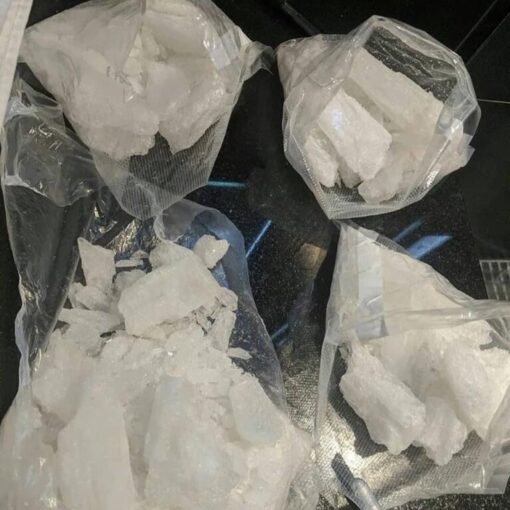
- What it is: A highly concentrated, rock-like form of cocaine that is smoked.
- How it works: It rapidly increases dopamine levels in the brain, creating an intense, short-lived high.
- Why people use it: Initially, people use it for the intense rush of pleasure and energy. Over time, they keep using it to avoid the severe “crash” that follows.
Why This Happens
This usually happens because crack cocaine hijacks the brain’s natural reward pathways. When the drug wears off, dopamine levels plummet, leaving the user feeling depressed and exhausted. Factors like high-stress environments, peer pressure, or undiagnosed mental health issues can also contribute. The brain begins to rely on the drug to feel normal, making it difficult to quit without help.
What Happens When You Stop Smoking Crack?
When you stop using crack, your brain and body go through an adjustment period. According to the National Institute on Drug Abuse (NIDA), you may experience:
- Mood changes: Depression, anxiety, and irritability are common.
- Sleep and appetite changes: You might sleep excessively or struggle with insomnia. Appetite usually increases significantly.
- Fatigue: A deep sense of physical and mental exhaustion is typical.
- Cravings: Strong urges to use the drug again will come and go.
- Concentration problems: Focusing on tasks can be very difficult for the first few weeks.
Crack
Withdrawal Timeline: What to Expect
- First 24 hours: The initial “crash” begins. You may feel intense exhaustion, depression, and anxiety as the drug leaves your system.
- Days 2–7: Sleep disturbances and vivid, unpleasant dreams are common. Cravings can be strong, and you may feel agitated or restless.
- Following weeks: Physical symptoms gradually improve, but psychological symptoms like depression and cravings can persist. Mood swings are normal during this phase.
- How cravings change over time: Early on, cravings can feel overwhelming and constant. Over time, they become less frequent and less intense, often triggered by specific environmental cues rather than happening randomly.
How to Stop Smoking Crack: 9 Steps to Recovery
Step 1: Seek a Professional Assessment
Start by consulting a healthcare professional or addiction specialist. Because withdrawal can cause severe depression or suicidal thoughts, a clinical assessment ensures you get the right level of care for your specific situation.
Step 2: Consider a Structured Treatment Program
Next, explore inpatient (residential) or outpatient treatment programs. These provide a safe environment and structured therapy, removing you from daily triggers while you focus on recovery.
Step 3: Engage in Behavioral Therapy
Cognitive Behavioral Therapy (CBT) helps you identify the thoughts and situations that trigger drug use. You will learn healthy coping mechanisms to deal with cravings and stress instead of turning to crack.
Step 4: Explore Contingency Management
This is an evidence-based treatment where you receive tangible rewards (like vouchers or small prizes) for staying sober. NIDA highlights this as a highly effective therapy for stimulant addiction because it helps retrain the brain’s reward system.
Step 5: Build a Sober Support Network
Isolation fuels addiction. Connect with family members who support your recovery, or attend peer-support groups like Narcotics Anonymous (NA) or SMART Recovery to build a community of accountability.
Step 6: Remove Triggers and Paraphernalia
You must change your environment. Throw away all pipes, lighters, and drug-related items. Cut ties with dealers and people who use crack cocaine.
Step 7: Address Co-Occurring Mental Health Conditions
Many people use crack to self-medicate underlying issues like trauma, depression, or ADHD. Work with a psychiatrist to diagnose and treat these conditions with non-addictive medications and therapy.
Step 8: Prioritize Physical Restoration
Crack depletes the body of nutrients and disrupts sleep. Focus on staying hydrated, eating regular balanced meals, and getting plenty of rest. Light exercise can also help naturally stabilize your mood.
Step 9: Develop a Relapse Prevention Plan
Work with a counselor to identify your high-risk situations. Create a written plan that includes emergency contacts, coping strategies, and steps to take if you feel a craving coming on.
Common Problems and Fixes
Problem 1: Intense Cravings
Fix: Remember that cravings are temporary and tend to rise and fall. Use delay tactics—wait 15 minutes and do something else, like taking a walk or calling a friend.
Problem 2: Severe Depression
Fix: Depression can occur during withdrawal. If it is severe, persistent, or accompanied by thoughts of self-harm, seek professional help immediately.
Problem 3: Being Around the Same People or Places
Fix: Change your routine entirely. Avoid neighborhoods that trigger the urge to use, and establish strict boundaries with anyone still using drugs.
How to Handle Crack Cravings
- Delay and distract: Put time between you and the craving. Engage in an activity that requires your full attention.
- Change your environment: Step outside, change rooms, or go to a public place where using is impossible.
- Contact someone supportive: Call a sponsor, supportive family member, or friend.
- Remove drug-related reminders: Get rid of items, music, or environments that remind you of using.
- Have a plan for high-risk situations: Know ahead of time what you will do if offered drugs or if you feel overwhelmed.
Treatment Options for Crack Cocaine Addiction
- Outpatient treatment: Living at home while attending daily or weekly therapy sessions.
- Residential treatment: Staying at a facility for 24/7 care and support.
- Cognitive behavioral therapy (CBT): Rewiring negative thought patterns.
- Contingency management: Rewarding positive, sober behaviors.
- Peer-support programs: NA, SMART Recovery, or local community groups.
How Long Does It Take to Recover From Crack Addiction?
Recovery is a long-term process. While the acute physical withdrawal may subside after a few weeks, psychological healing takes much longer. Brain function can improve with sustained abstinence and treatment, although recovery varies considerably between individuals. For many, sustained recovery is a lifelong journey managed one day at a time. learn about this products
Can You Quit Crack Without Rehab?
Yes, some people successfully quit without entering a residential rehab program, especially if they have a strong support system and a safe, drug-free environment. However, attempting to quit without professional guidance increases the risk of relapse and severe psychological distress. Outpatient therapy and peer support are highly recommended even if you do not go to rehab.
What to Do If You Relapse
Relapse does not mean treatment has failed; it is a common part of the recovery process. If you relapse:
- Stop using immediately.
- Do not let guilt or shame overwhelm you.
- Reach out to your sponsor, therapist, or support network right away.
- Reconnect with professional support to adjust your treatment plan and identify what triggered the relapse.
How to Support Someone Who Is Trying to Quit Crack
- Educate yourself about addiction as a medical condition.
- Set healthy boundaries without enabling their behavior.
- Offer emotional support and celebrate their milestones.
- Encourage them to seek professional help and attend support groups.
When to Seek Emergency Help
Because quitting crack can cause severe psychological distress, seek immediate emergency help if you or a loved one experiences:
- Suicidal thoughts or intentions
- Severe, uncontrollable agitation or paranoia
- Hallucinations (seeing or hearing things that aren’t there)
- Chest pain, irregular heartbeat, or seizures
If you are in immediate danger, call your local emergency services (like 911 in the US) or go to the nearest emergency room.
Related Guides
- Understanding Post-Acute Withdrawal Syndrome (PAWS)
- How to Find the Right Outpatient Program
- Cognitive Behavioral Therapy for Addiction Recovery
FAQs
Q1: How hard is it to quit smoking crack? Quitting is very challenging due to how the drug alters brain chemistry, but it is entirely possible with the right treatment, support, and coping strategies.
Q2: What are the first signs of crack withdrawal? The first signs usually include an intense crash, extreme fatigue, increased appetite, depression, and anxiety within the first 24 hours of the last use.
Q3: Can crack cravings go away? Yes. While they can feel overwhelming at first, cravings become less frequent and less intense over time as the brain heals.
Q4: How long does crack stay in your system? Crack cocaine is typically detectable in urine for 2 to 4 days after the last use, but this can vary based on frequency of use, metabolism, and overall health.
Q5: Can you recover from crack addiction? Yes. With sustained abstinence and treatment, brain function can improve and individuals can lead healthy, fulfilling lives.
Q6: What helps with crack withdrawal? Professional support, a safe environment, adequate sleep, good nutrition, and therapies like CBT help manage withdrawal symptoms.
Q7: Can you quit crack without medication? Yes. There are currently no FDA-approved medications specifically for crack withdrawal, so treatment focuses on behavioral therapies, support, and managing symptoms.
Q8: What happens after you stop smoking crack? After stopping, your brain begins to slowly rebalance its dopamine levels. Physical health improves over time, though psychological symptoms like mood swings may persist for several weeks.
Conclusion
Quitting crack cocaine is a difficult but achievable goal. The safest approach is to seek a professional assessment, utilize behavioral therapies, and build a strong support network. Understanding how addiction affects the brain and using professional resources makes a significant difference. Follow the steps above, take it one day at a time, and remember that help is always available.
References and Authoritative Sources
- National Institute on Drug Abuse (NIDA): Research on how stimulants alter the brain’s reward system, the efficacy of Contingency Management, and CBT for stimulant use disorders.
- Substance Abuse and Mental Health Services Administration (SAMHSA): Guidelines for treatment options, recovery support systems, and national helpline resources.
- National Health Service (NHS): Clinical information on cocaine/stimulant withdrawal symptoms and physical health restoration.
Disclaimer: If you or someone you know is struggling with addiction, please reach out for help. In the US, you can call the SAMHSA National Helpline at 1-800-662-HELP (4357) for free, confidential, 24/7 support. If you are in immediate danger or experiencing a medical emergency, please call 911 or go to your nearest emergency room.
